✆ WhatsApp: +86 139 0274 9167
📍 Shantou, Guangdong, China | 🌐 EN

Buyer Guides & Sourcing Notes

Sourcing guides, specification notes and manufacturing know-how for importers, distributors and private-label brands.

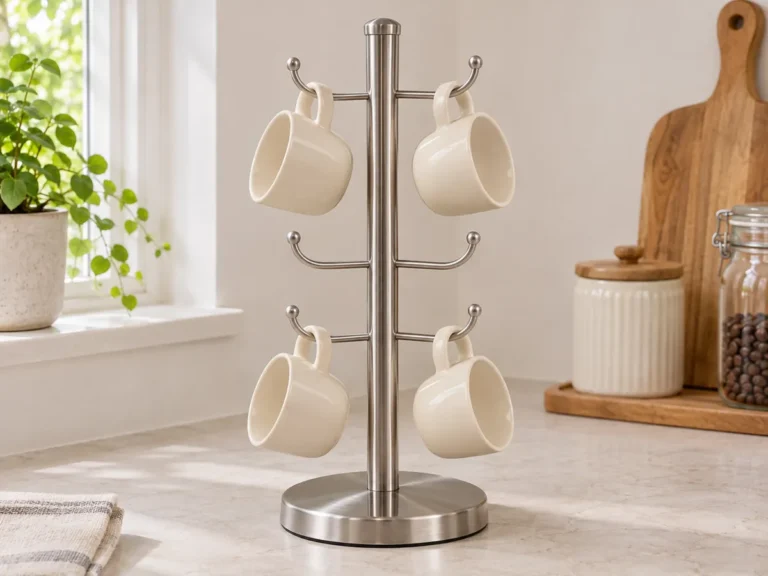
Cup Holders application — AI concept illustrationAI concept illustration Uncategorized

Mug & Cup Holders: Wall vs Shelf, 2026 Design

Home/Blog/Mug & Cup HoldersMug & Cup Holders: Wall vs Shelf, 2026 DesignMug holders are small but shelf-stoppers. This compares wall vs shelf options and the 2026 retail designs that actually move.Mug holders occupy a unique position in kitchen storage retail: they are small enough to ship cheaply, inexpensive enough to sell on impulse, and visually […]

Nov 18, 2026 5 min read Read →
From shortlist to goods receipt

Navigate the buying guides by the decision you need to make

Use this review to define using editorial guides together with actual model information.

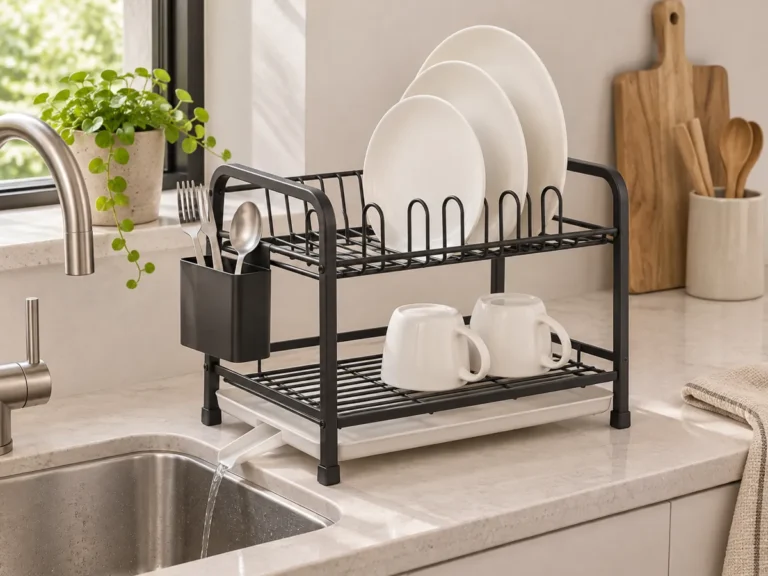
Storage sourcing review concept — AI concept illustration
AI concept illustration
Prepare the review around these decisions

  • Start with the buying decision
  • Return to the actual models
  • Convert guidance into a brief

Keep the selected product references, open questions and agreed revisions together so that the next discussion can resolve the right details.

01

Start with the buying decision

Choose material, installation, size, packing or OEM guidance according to the unresolved part of your project.

02

Return to the actual models

Use the linked categories and product pages to identify available references. An editorial example does not establish the specification of every model.

03

Convert guidance into a brief

Record the measurements, item mix, material, fixing, quantity and packaging questions raised by the guide, then send them with your shortlist.

04

Record material, finish and component scope

Use the exact material description for the chosen components and the documented grade where relevant. Record finish, color and texture against a sample. Identify brackets, trays, holders, inserts and fixings separately when they affect the supplied item.

05

Approve a sample and control revisions

Identify the sample, drawing revision and component list being approved. Record the size, installed arrangement, appearance and accessory scope. Keep proposed changes and the final sign-off together so that the bulk specification is clear.

06

Agree a practical inspection plan

List the dimensions, assembly, appearance, moving-part and packing checks relevant to the selected design. Agree the sampling and acceptance approach. Any load or other performance requirement needs defined conditions and a result applicable to the chosen configuration.

07

Approve the saleable pack and artwork

Confirm the unit contents, protective insert, color or kraft box direction and assembly or mounting instructions. Check the artwork revision, barcode position and carton marks. Keep brand authorization and the approved artwork with the packing brief.

08

Compare quotations on a common basis

Record model, material, finish, included components, quantity per SKU, sample or tooling scope, unit and carton packing and delivery destination. Ask for assumptions, exclusions, quotation validity and the applicable commercial terms to be identified. Confirm MOQ and timing for the actual project.

09

Plan shipment using packed measurements

Use confirmed carton dimensions, gross and net weight and carton quantity for each SKU. Keep assembled size separate from packed size. Prepare the packing list for the actual item mix and review handling, labelling and destination document requirements with the shipment plan.

10

Keep an order record through receipt

Keep the approved specification, sample reference, artwork, inspection arrangement and change log under one order reference. At receipt, compare item identity, counts, accessories, packaging condition and the agreed checks with the purchase brief, and record any discrepancy promptly.

RFQ checklist for this page

Buyer Guides & Sourcing Notes

  • Product links or YF references and quantity per model
  • Intended storage task, item mix and installation location
  • Required dimensions and available clearance
  • Component material and documented grade where required
  • Finish, color and appearance reference
  • Mounting system or base arrangement and any required load review
  • Included accessories and assembly or mounting instructions
  • Product changes, drawing or sample reference and revision
  • Unit-box direction, protective packing, artwork and barcode requirements
  • Outer-carton quantity, measurements and weight to confirm
  • Destination, delivery point and document requirements
  • Target schedule, open questions and the decisions already fixed
Review My Procurement Brief
Buyer questions

Questions for this sourcing review

Use the selected reference and the intended configuration to close the open points in your brief.

Do the buying articles replace product specifications?
Use articles for selection questions and the product pages for actual model references. Confirm the selected item with its current written specification.
Which guide should I read first?
Start with the product family and the decision that is still open: fit, material, mounting, packaging or customization.
Can I send a guide when requesting a quotation?
Include the guide as context, but identify the models and requirements you want quoted.
How do I move from research to an order discussion?
Send a shortlist with dimensions, installation, quantity per SKU, destination and packaging direction. Mark the details still needing review.
Ask a Question About This Page
WhatsApp