
Distinguish storage from hot-pot use
Identify whether the model is a storage organizer or a pot support intended for contact during use. These are different product briefs and should not share an assumed heat rating.
YUNFAN is a trading company coordinating pot rack sourcing, supplier quotations, samples and order requirements. Production capabilities and terms are confirmed with the selected supplier.
Before a first order, buyers want the same three answers. They are here, not hidden behind a form.
Logo printing, colour, finish, size and packaging are reviewed against your artwork. Send the drawing and we confirm which parts can change and which stay standard.
MOQ is quoted per model, not per container — sample orders and mixed-model containers are both accepted. Production lead time is confirmed with the quotation.
Carton size, units per carton and container loading plan are confirmed before production, so the shipped volume matches what you were quoted.
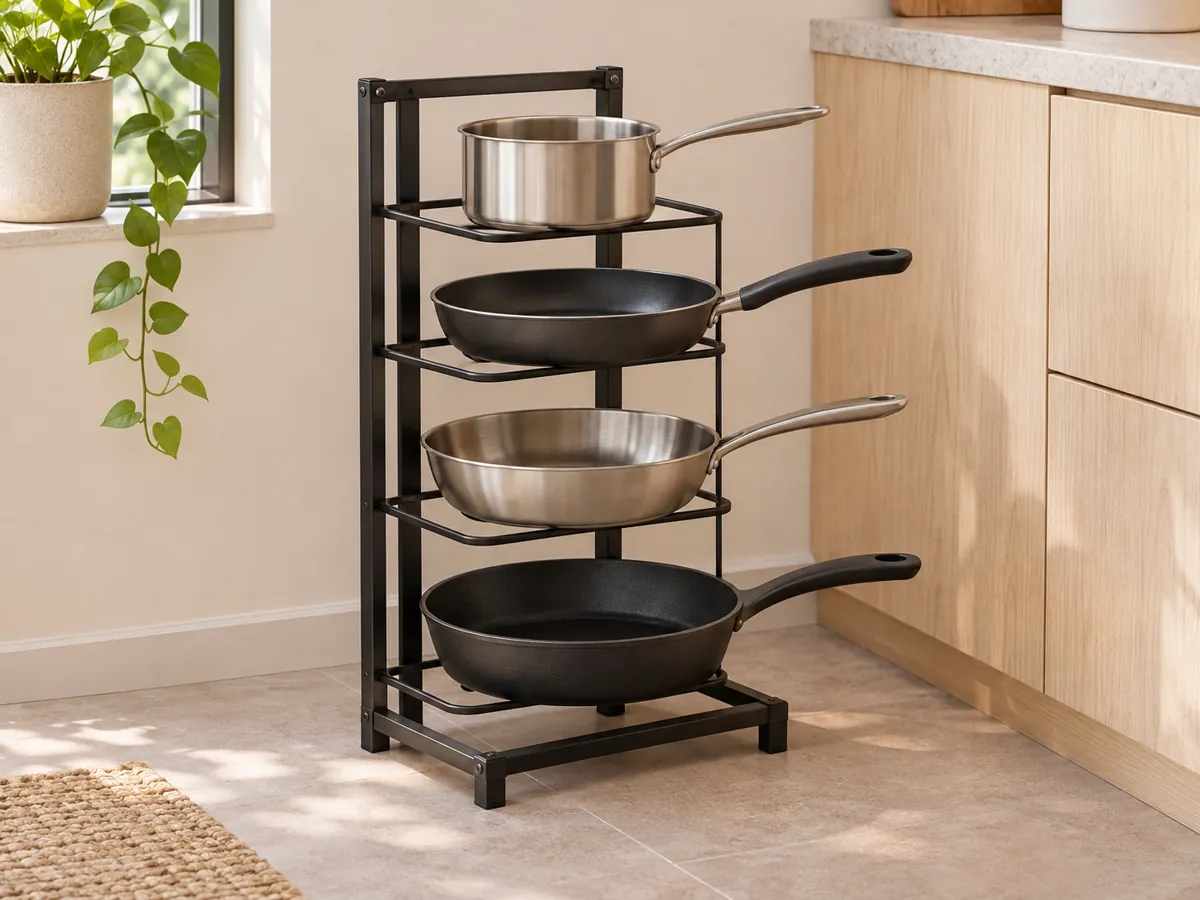
Choose the structure around the intended use and the available space.
Record this requirement against the selected model and confirm it with the production supplier before approving the sample.
Record this requirement against the selected model and confirm it with the production supplier before approving the sample.
Record this requirement against the selected model and confirm it with the production supplier before approving the sample.
Send the reference, destination, quantity and required changes. We coordinate a review of suitable supplier options and the scope of the quotation.
Agree the sample, drawing, component list and the changes still open. Record the approved version for the purchase order.
Agree the inspection party, checks, reporting, retail contents, protective packing and outer-carton information.
Confirm commercial terms and shipment instructions. Follow up supplier progress against the agreed order record.
The more of this you send in the first message, the fewer rounds it takes.
| Requirement | Why it matters | What to send |
|---|---|---|
| Pan diameter and handle clearance | Keeps supplier quotations and samples comparable | Model link, drawing or written requirement |
| Tier height and frame stability | Keeps supplier quotations and samples comparable | Model link, drawing or written requirement |
| Installation and agreed load conditions | Keeps supplier quotations and samples comparable | Model link, drawing or written requirement |
| Quantity and destination | Defines the quotation and shipping scope | Units per model and delivery location |
Choose around fit, access and the supplied specification. The comparison does not establish a performance rating for either format.
| Selection point | Multi-tier cookware organizer | Single-level pot support or trivet |
|---|---|---|
| Intended use | Organizes cookware across multiple storage levels. | Supports a pot at one level; confirm the intended use. |
| Fit | Review tier heights and cookware handles together. | Review the pot base and support contact area. |
| Support | Review the weight distribution of the loaded frame. | Confirm load and any applicable temperature requirement. |
| Approve | Tier positions, frame joints and assembled stability. | The selected material, contact surfaces and use conditions. |
Move from the intended use to a written model, sample, inspection and packing brief. Resolve the open points before treating two quotations as equivalent.
Review the actual items, their removal path and the complete occupied space. Confirm the selected model rather than applying one dimension to a category.
Identify whether the model is a storage organizer or a pot support intended for contact during use. These are different product briefs and should not share an assumed heat rating.
Use the complete cookware outline, including handles, lid and height. Compare access to each tier with the largest item in the planned range.
Check where each item sits and how the load is distributed. A tall organizer should be evaluated with the intended cookware arrangement and on the specified floor or counter surface.
Record which tier positions or spacings can change. Review the joints, supplied fasteners and assembly sequence for the chosen configuration.
If the selected model has castors or moving sections, agree their specification and review the full movement envelope. Their availability is model-specific.
Review shelf separation, frame support and accessory bags. The carton plan should use confirmed packed dimensions rather than the assembled height.
Use the exact material description for the chosen components and the documented grade where relevant. Record finish, color and texture against a sample. Identify brackets, trays, holders, inserts and fixings separately when they affect the supplied item.
Identify the sample, drawing revision and component list being approved. Record the size, installed arrangement, appearance and accessory scope. Keep proposed changes and the final sign-off together so that the bulk specification is clear.
List the dimensions, assembly, appearance, moving-part and packing checks relevant to the selected design. Agree the sampling and acceptance approach. Any load or other performance requirement needs defined conditions and a result applicable to the chosen configuration.
Confirm the unit contents, protective insert, color or kraft box direction and assembly or mounting instructions. Check the artwork revision, barcode position and carton marks. Keep brand authorization and the approved artwork with the packing brief.
Record model, material, finish, included components, quantity per SKU, sample or tooling scope, unit and carton packing and delivery destination. Ask for assumptions, exclusions, quotation validity and the applicable commercial terms to be identified. Confirm MOQ and timing for the actual project.
Use confirmed carton dimensions, gross and net weight and carton quantity for each SKU. Keep assembled size separate from packed size. Prepare the packing list for the actual item mix and review handling, labelling and destination document requirements with the shipment plan.
Keep the approved specification, sample reference, artwork, inspection arrangement and change log under one order reference. At receipt, compare item identity, counts, accessories, packaging condition and the agreed checks with the purchase brief, and record any discrepancy promptly.
Pot Rack Supplier
Use the selected reference and the intended configuration to close the open points in your brief.
Send the product reference, required specifications, quantity and destination. We will review the supplier information needed for the next step.