SizeMaterialFinishMountingTiersOEMPacking
YUNFAN · Storage Product Range
Cup Holders Supplier
Compare models by footprint, material and installation, then review the configuration and packaging for your order.
- Product specifications shown by model
- Drawing-based and sample-based customization
- OEM / private-label conditions confirmed by model
 AI concept illustration
Available Models
Explore Cup Holders
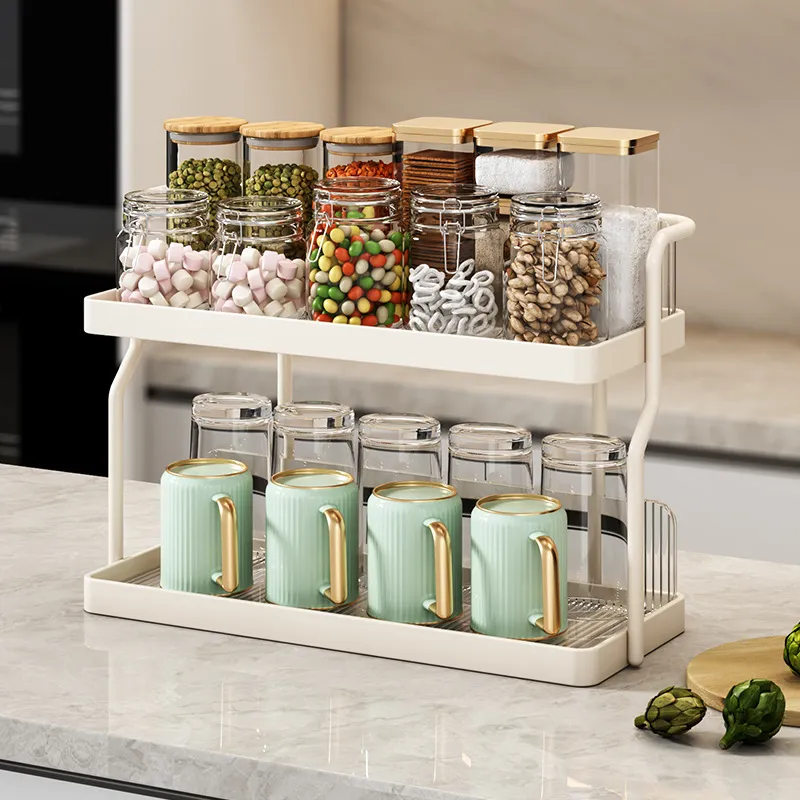
Use the product images to shortlist a design, then open its details for dimensions, material and configuration.
2 matching products · Page 1 of 1
Ask About These Models
Compare the complete configuration
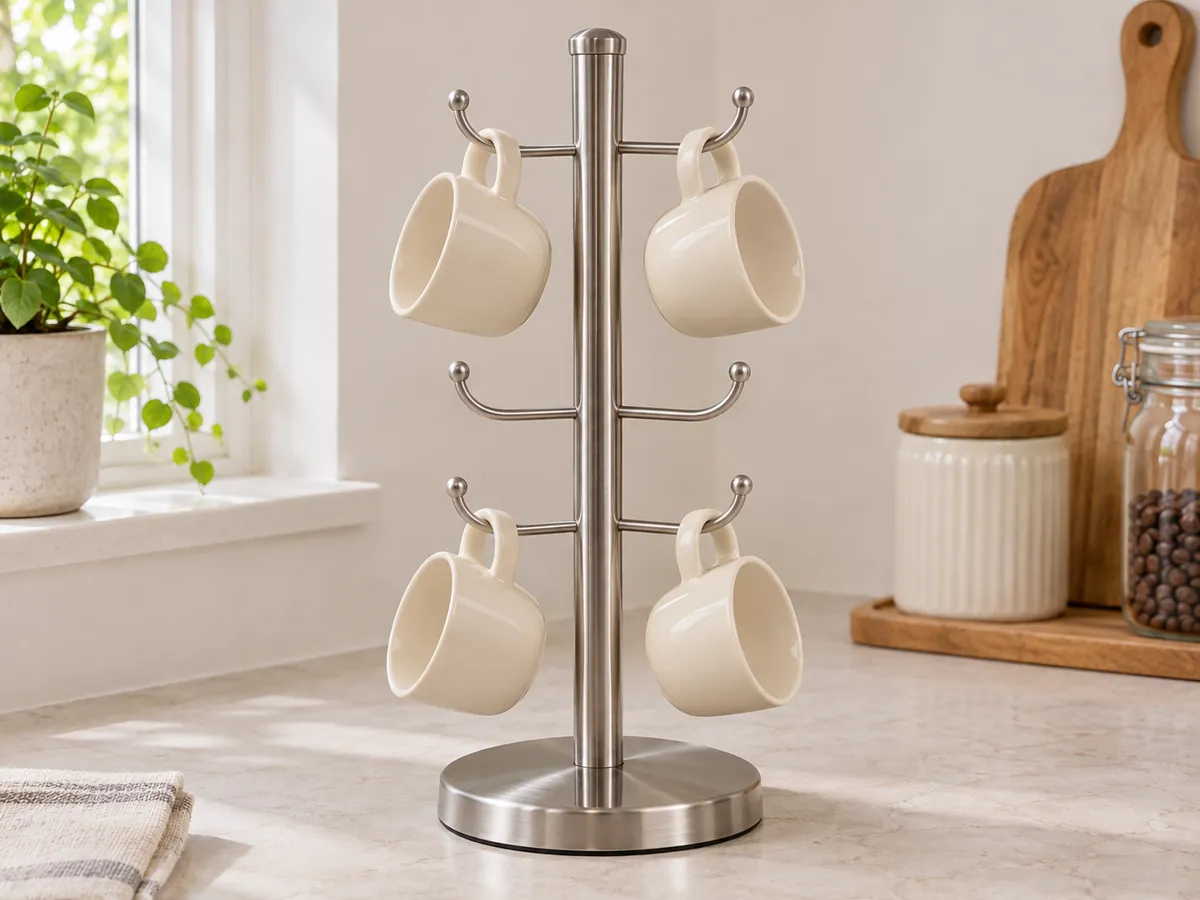
Countertop mug tree vs Wall or under-shelf cup holder
Choose around fit, access and the supplied specification. The comparison does not establish a performance rating for either format.
Countertop mug treeVSWall or under-shelf cup holder
| Selection point | Countertop mug tree | Wall or under-shelf cup holder |
|---|---|---|
| Space | Occupies a base footprint on the counter. | Uses wall or under-shelf space and hanging clearance. |
| Fit | Review cup handle fit and balance across occupied hooks. | Review shelf attachment or fixing and the cup removal path. |
| Clearance | Check cups above the base and between hooks. | Check cups below the shelf and beside adjacent items. |
| Approve | Base stability, hook profile and the actual mug mix. | Mounting or shelf fit, spacing and cup removal access. |
Product Selection
Compare the details that change the fit
Two racks with a similar outline can serve different uses. Compare dimensions, material, installation and packing on the same basis.
| Selection Point | What to Compare | Why It Matters |
|---|---|---|
| Footprint & clearance | Overall dimensions, usable space and clearance around the item. | The outer size tells you where it fits; usable space tells you what it holds. |
| Material & finish | The model's stated material, stainless steel grade where specified, and finish. | A like-for-like comparison needs both the base material and the surface specification. |
| Installation | Countertop, wall-mounted or floor-standing configuration and the required fixing method. | Mounting conditions and access determine whether the design suits the intended space. |
| Tiers & capacity | The number of tiers, spacing and the shape of the items to be stored. | More tiers do not automatically provide the right clearance for taller items. |
| Packing | Unit box, packed dimensions, included accessories and carton quantity. | The packing specification is needed for order and shipment planning. |
Technical Review
Agree the product before comparing quotations
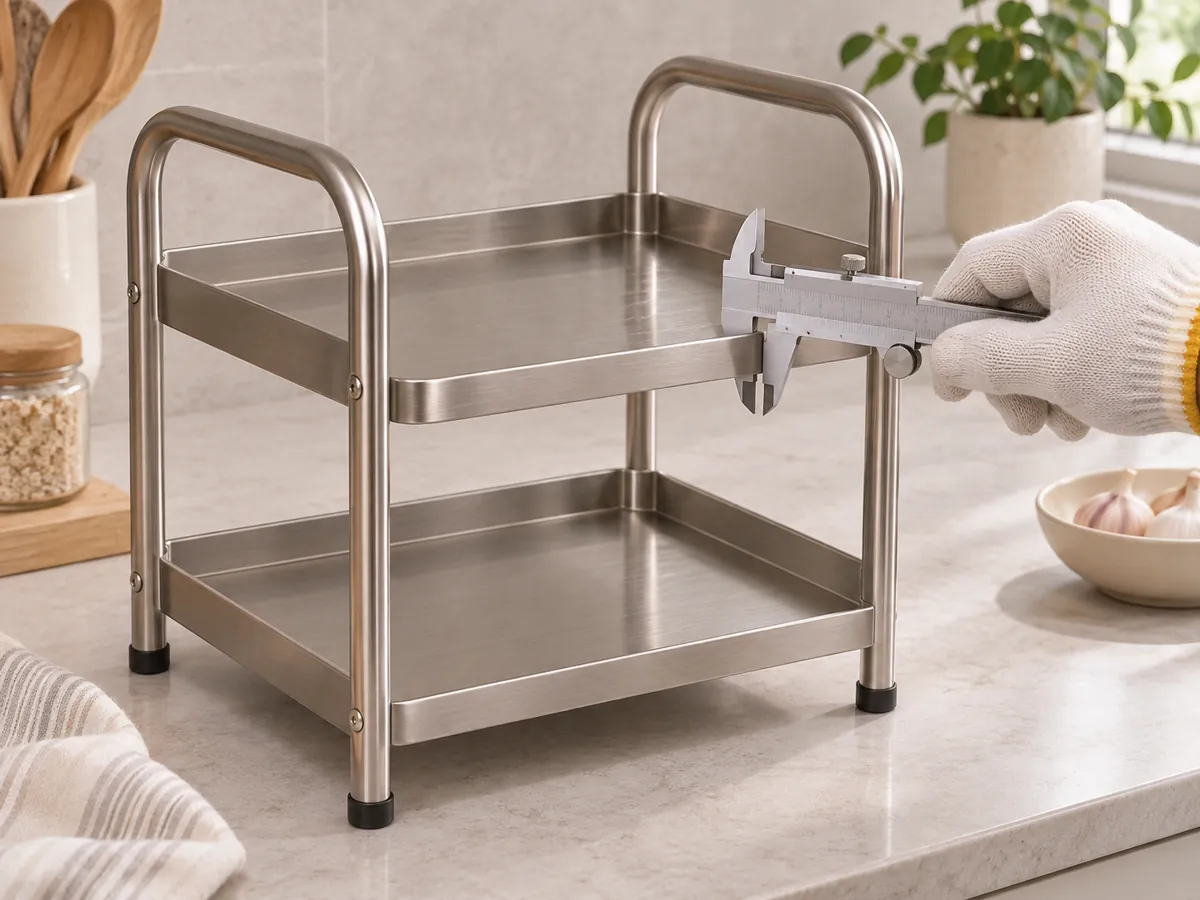
A photograph is a useful starting point. The dimensions, assembly and material specification establish what is actually being supplied.
 AI concept
01
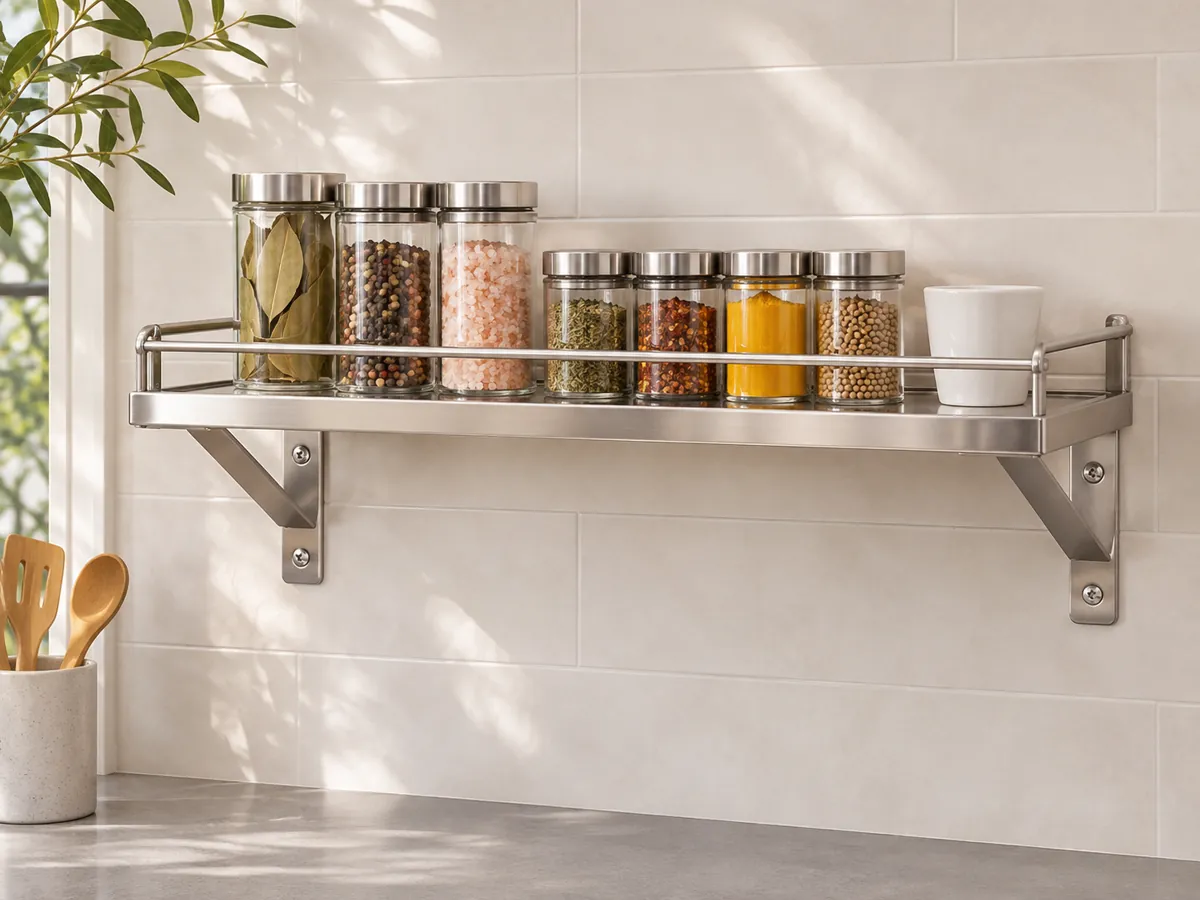
Define the Working Space
Measure the usable space and the items the rack needs to hold. Include clearance for access, installation and any adjacent fixtures.
 AI concept
02
Review the Installed Configuration
Treat the rack, fixing method and mounting surface as one configuration. Load capacity belongs to the selected model and installation; it is not a range-wide figure.
 AI concept
03
Keep the Specification Consistent
Compare the same material, finish, tier arrangement and packing scope across your shortlist. This prevents a similar-looking item from being treated as an identical specification.
Material Options
Start with the material your product needs
The range includes several materials. Compare the exact grade and construction of each model before making a like-for-like selection.
AI concept01
Stainless Steel
201 and 304 grades are used on selected items. Use the model specification to identify the grade; a stainless steel appearance alone does not establish it.
 AI concept
02
Carbon Steel
Available across selected storage rack designs. Include the surface finish in the comparison so that two similar frames are assessed on the same basis.
 AI concept
03
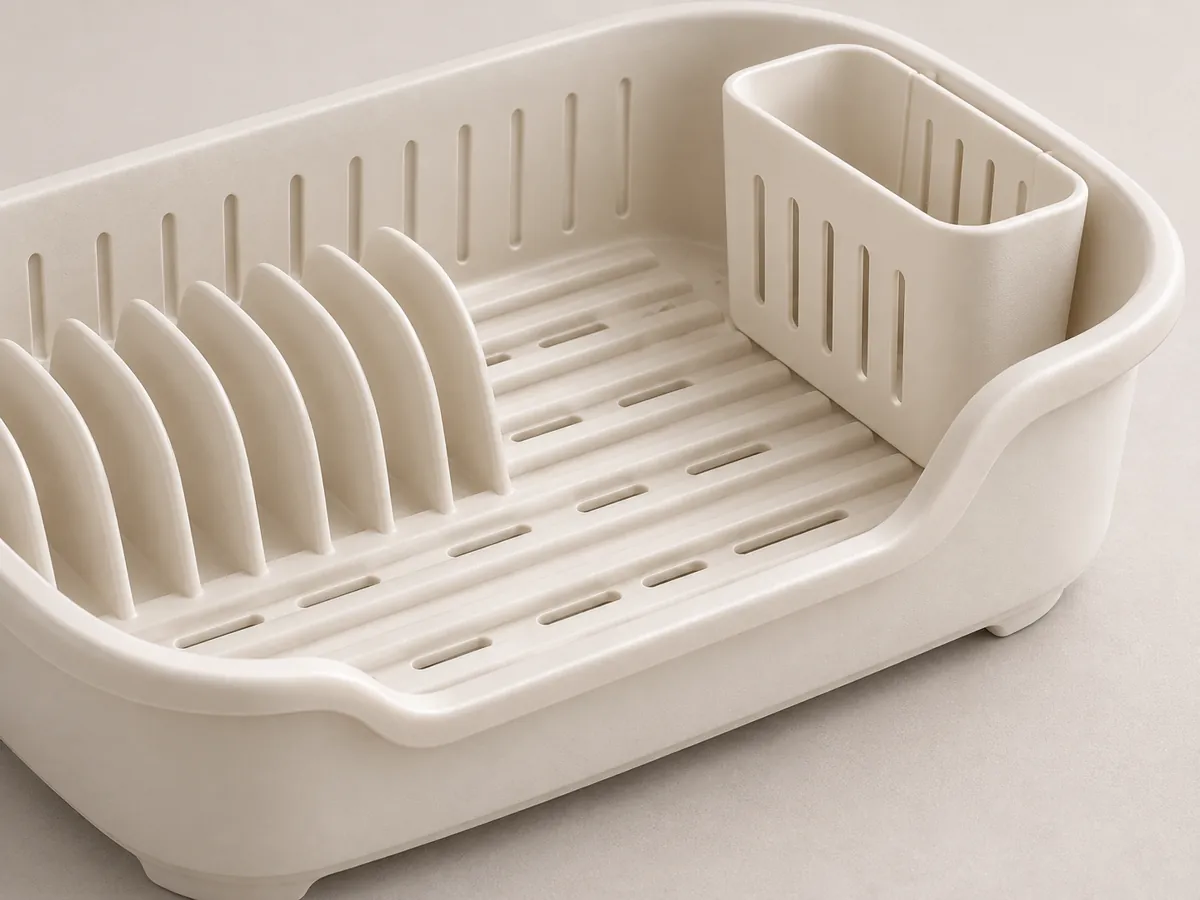
Selected Plastics
Plastic options include selected utensil holders, draining products and storage items. Check the exact material and construction of the model you are considering.
Finish & Color
Review the surface as part of the specification
Polished and satin finishes are available on selected metal models. Finish availability is checked against the chosen material and design.
 AI concept
01
Polished Finish
Compare a finish sample with the product reference so that the intended appearance is clear before ordering.
 AI concept
02
Satin Finish
Use a sample or close-up reference to agree the surface appearance for the selected metal item.
 AI concept
03
Color Reference Review
Have a particular color in mind? Send the reference for a model-specific feasibility review before including it in your range.
Structure & Installation
Choose how the organizer fits the space
Countertop, wall-mounted and floor-standing styles are available across the range. The right choice starts with the space and mounting conditions.
 AI concept
01
Countertop
Compare the working footprint, clearance above the rack and access to the items it needs to hold.
AI concept02
Wall-Mounted
Check the wall surface, fixing method and intended load together. A wall-mounted design should be evaluated as an installed assembly.
 AI concept
03
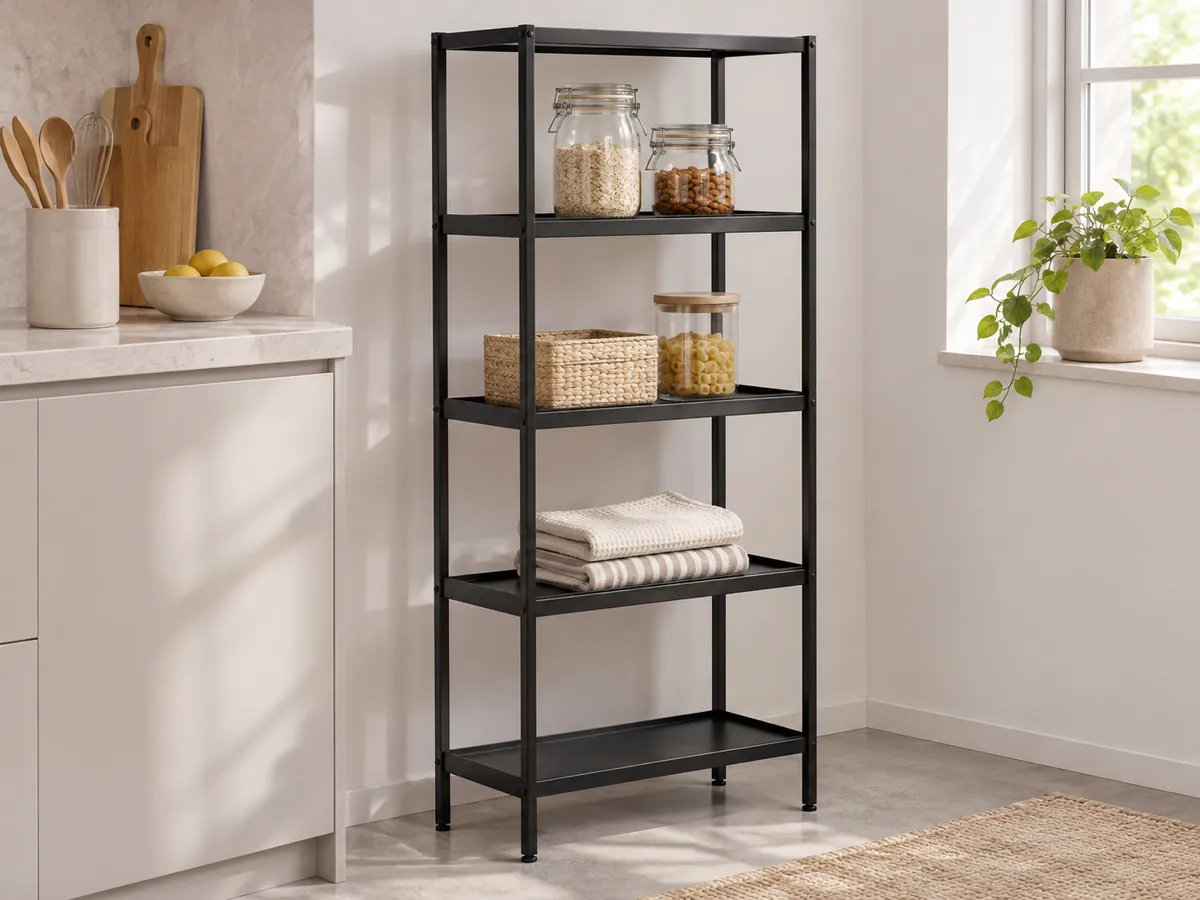
Floor-Standing
Allow room for the frame, access to each tier and the surrounding walkway. Compare usable shelf space as well as overall height.
OEM & Private Label
Adapt the specification to your range
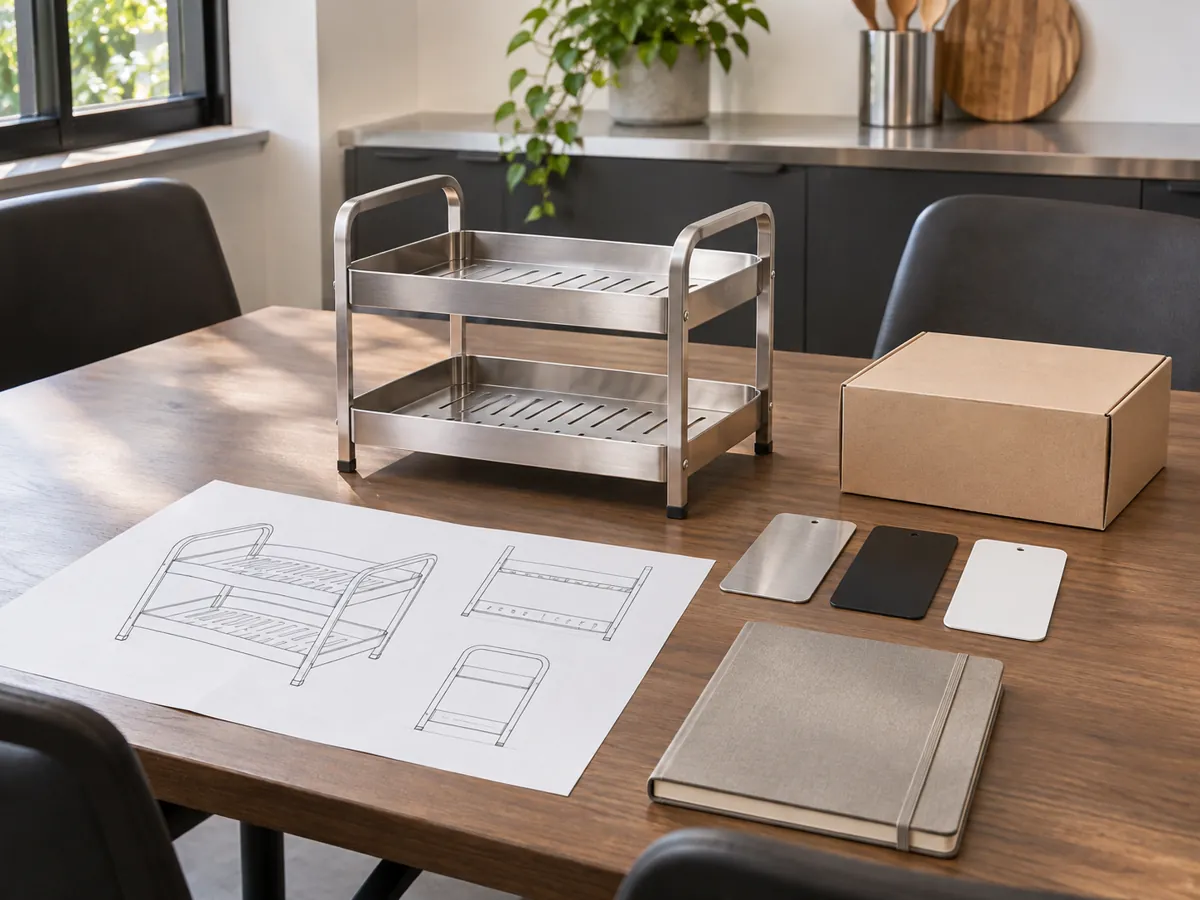
Drawing-based and sample-based customization are supported. The changes are reviewed for the selected design before the order is agreed.
AI concept01
Dimensions & Tiers
Discuss width, depth, height and tier spacing. Non-standard dimensions or tooling changes require project review.
AI concept02
Material & Finish
Review the material and finish together. A material change can affect production and the commercial specification.
 AI concept
03
Installation & Branding
Discuss the fixing direction, logo and packaging. OEM / private-label conditions are confirmed by model and supplier; brand authorization and artwork are required.
Packaging Solutions
Match the product, box and order plan
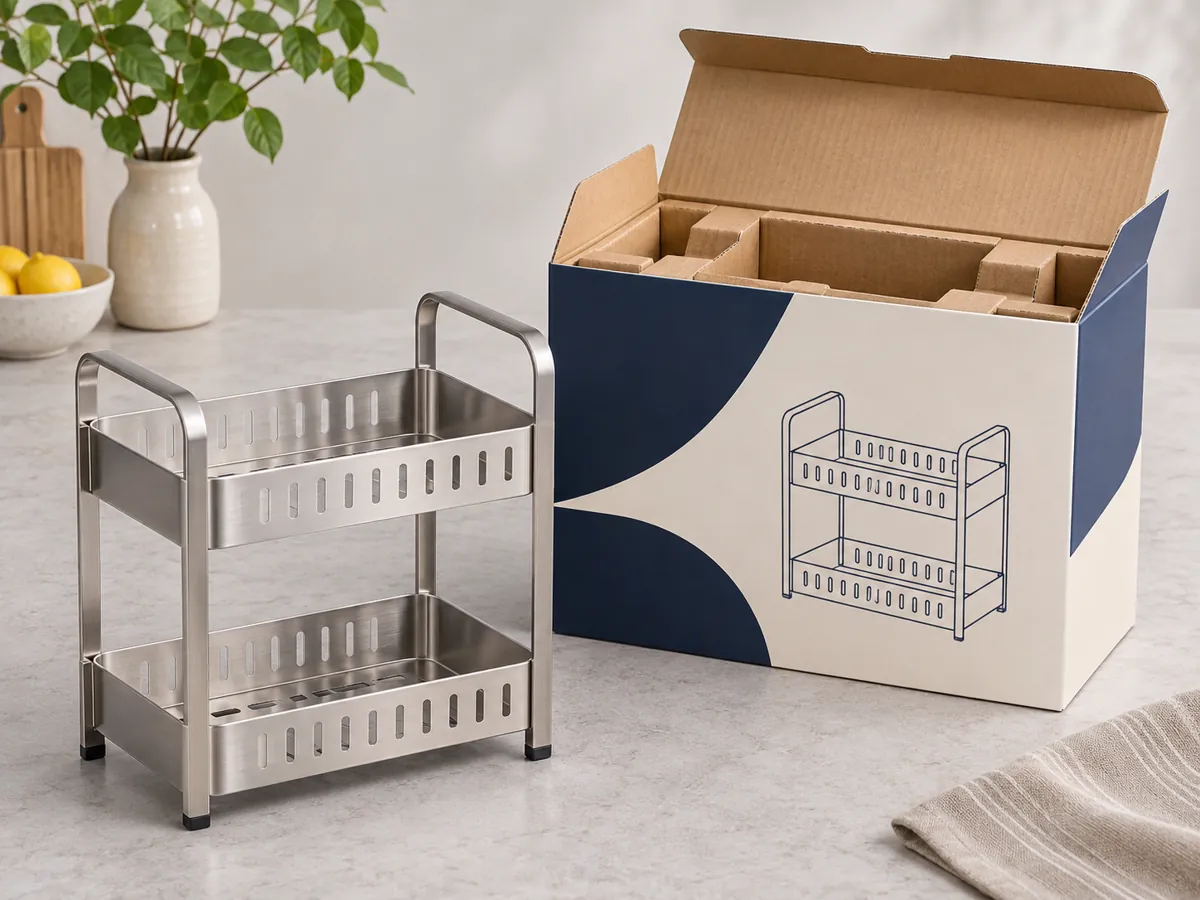
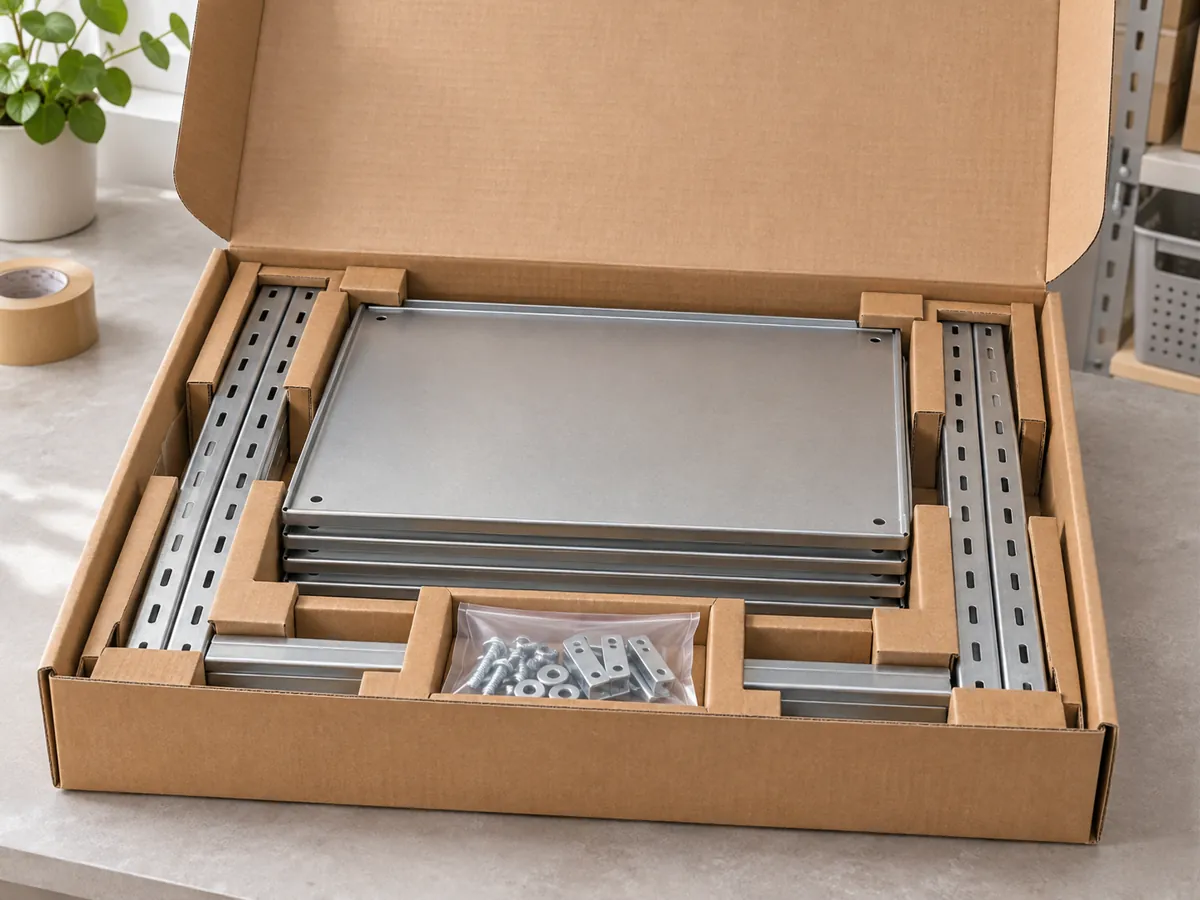
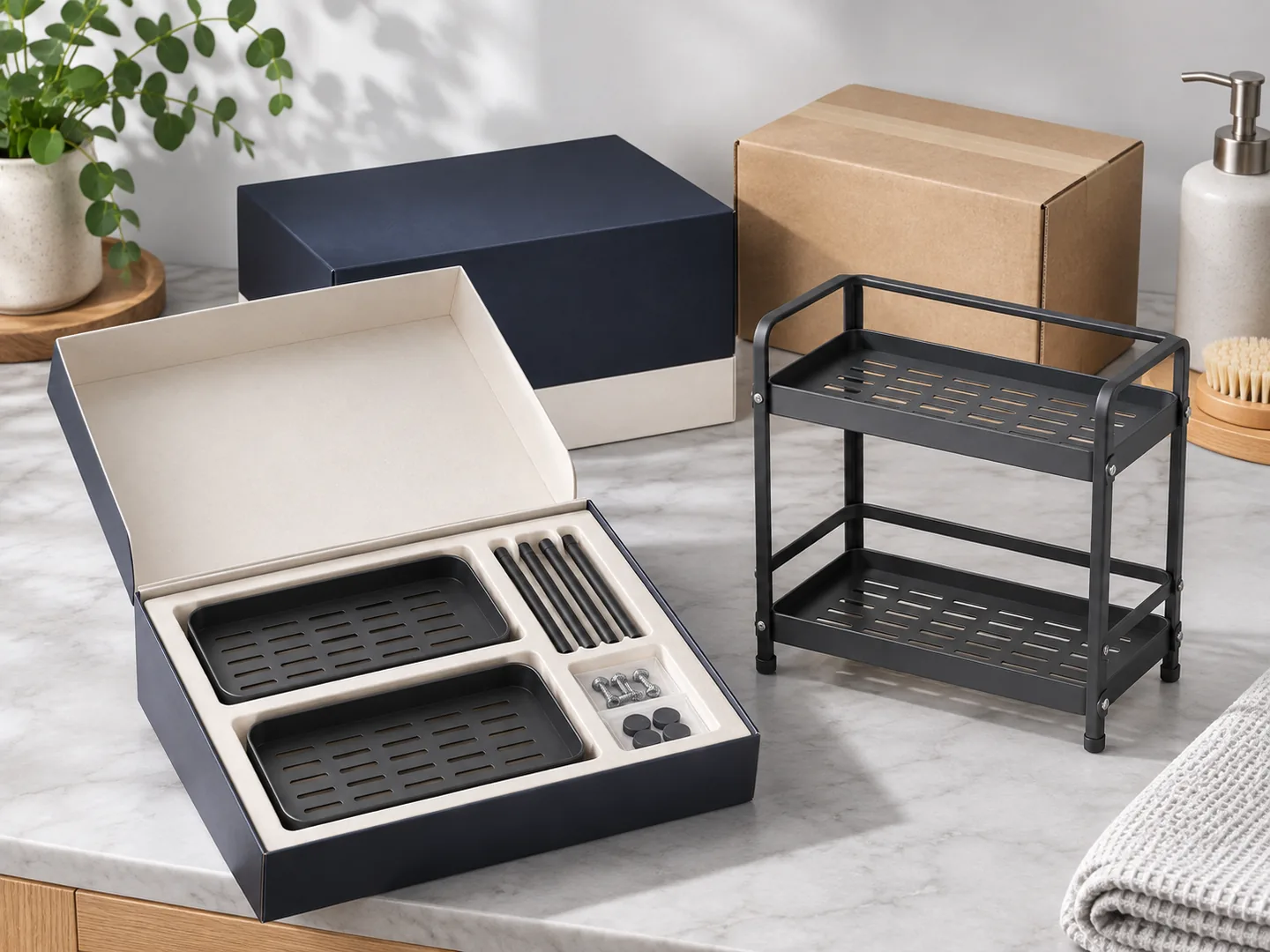
Color boxes and kraft boxes are available. Carton quantities vary by model, so the packing specification belongs to the selected item.
 AI concept
01
Color Box
Review the artwork, product identification and box dimensions with the selected model.
 AI concept
02
Kraft Box
Check the packed product dimensions and internal fit alongside the outer carton requirement.
 AI concept
03
Private Label Packaging
Logo printing and private label packaging can be reviewed for the project. OEM / private-label conditions are confirmed by model and supplier; brand authorization and artwork are required.
Range Planning
Match the storage product to the way it will be used
Start with the space and the items it needs to organize. The intended use determines which product details deserve the closest review.
 AI concept
01
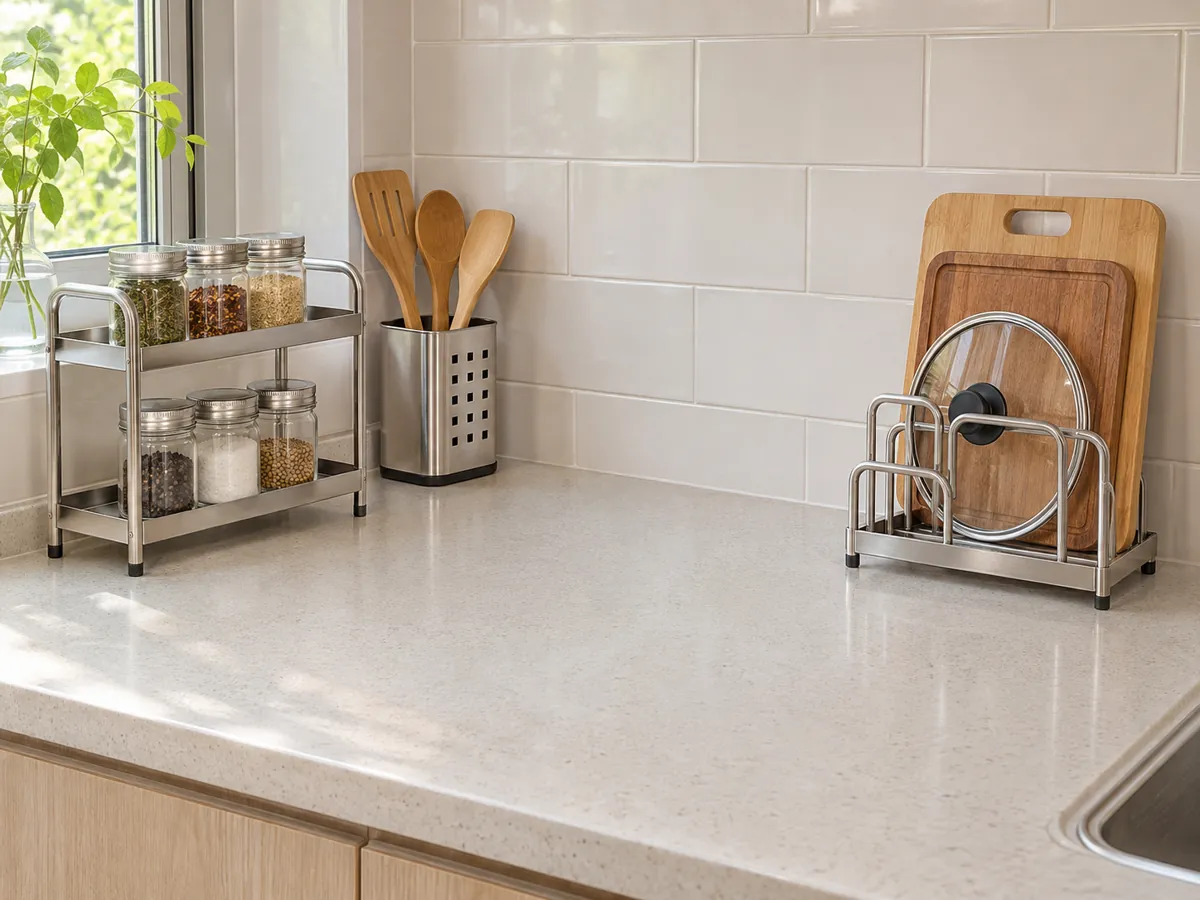
Kitchen Work Areas
Compare access, working clearance and the footprint needed for dishware, tools or everyday kitchen storage.
 AI concept
02
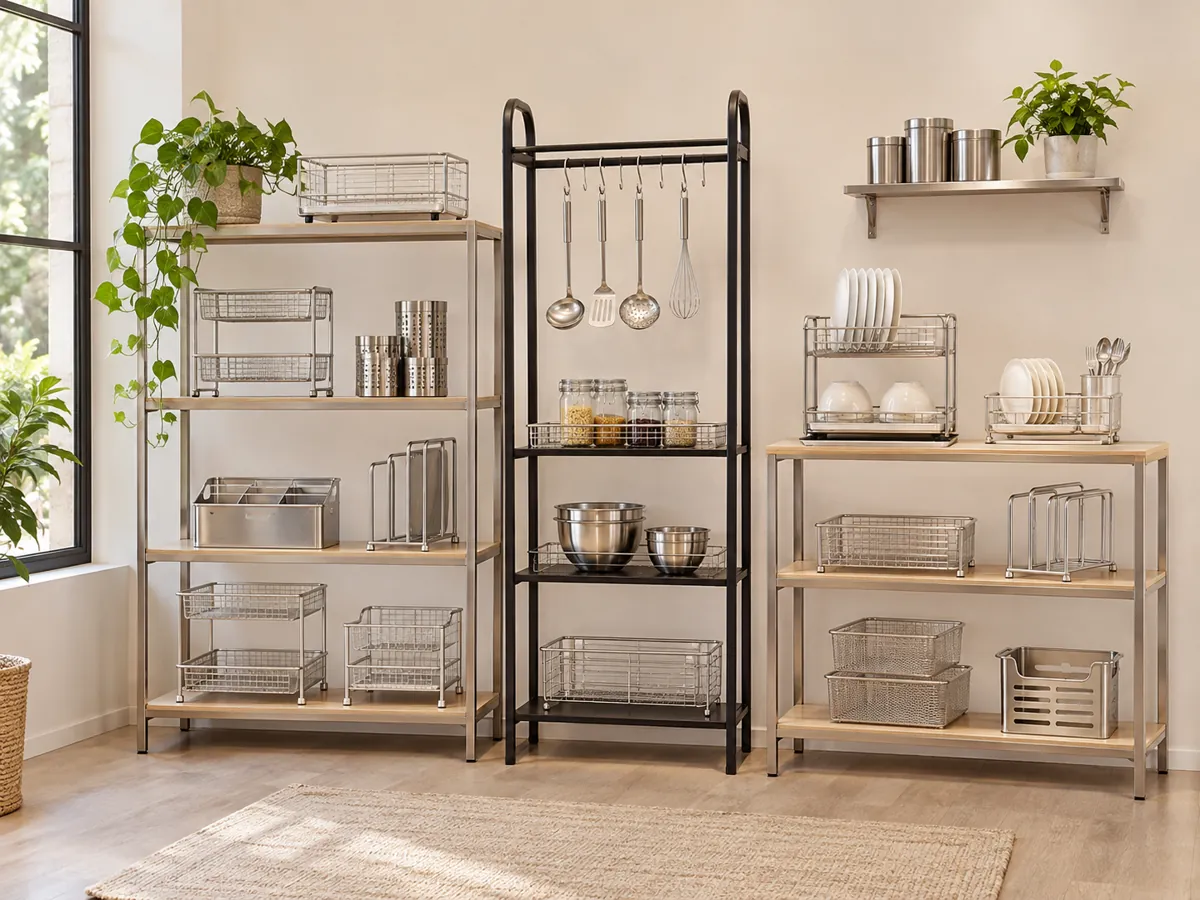
Bathroom Storage
Review shelf space, mounting conditions and access to towels or toiletries before choosing a configuration.
 AI concept
03
Private Label Ranges
Use a consistent product specification and packaging brief when comparing the models intended for your branded range.
Supplier Production Review
From metal parts to the packed rack
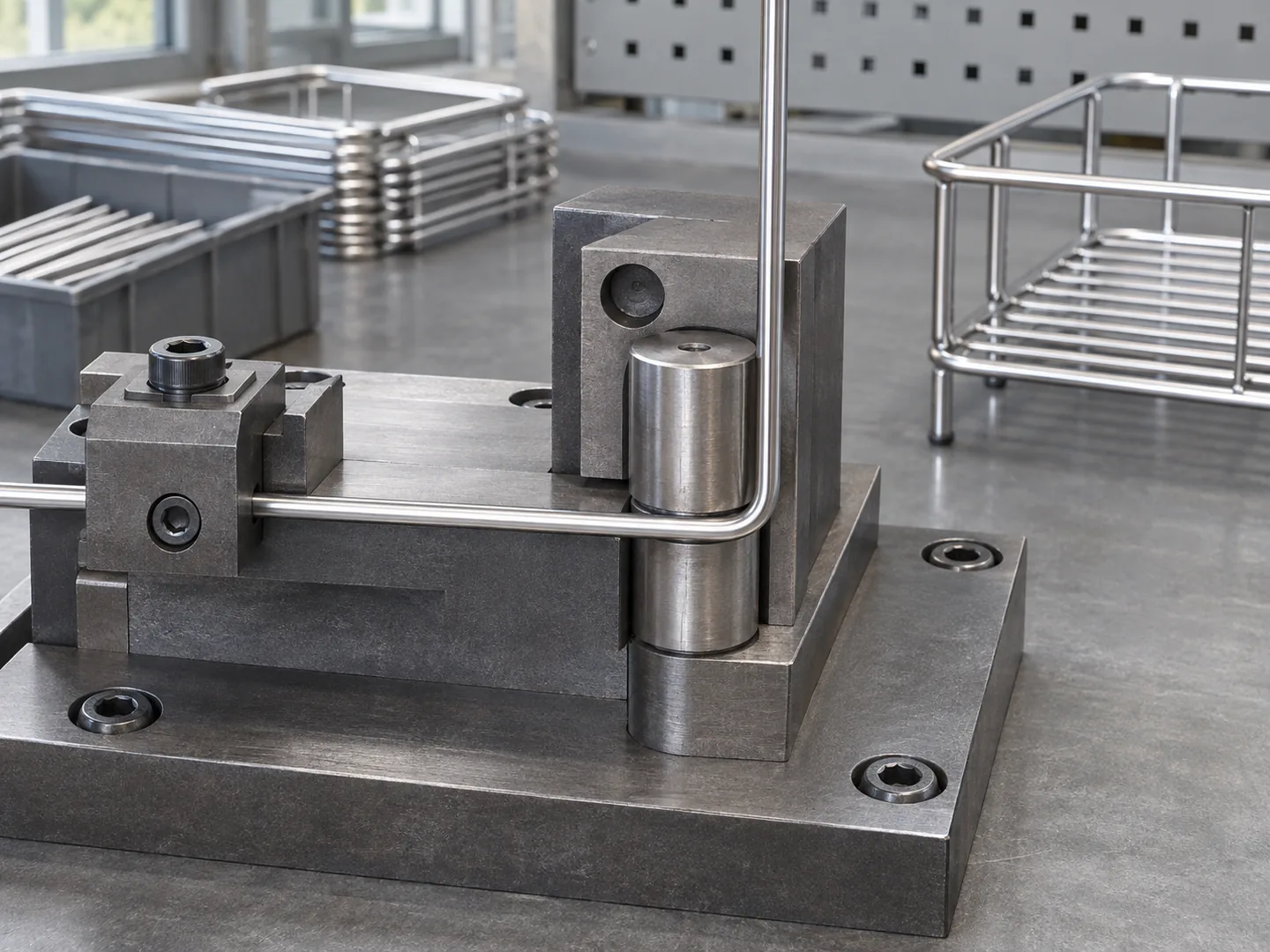
Our process coverage includes metal forming, joining, finishing and assembly. The route is selected to suit the material and design; not every item uses every stage.
 AI concept
01
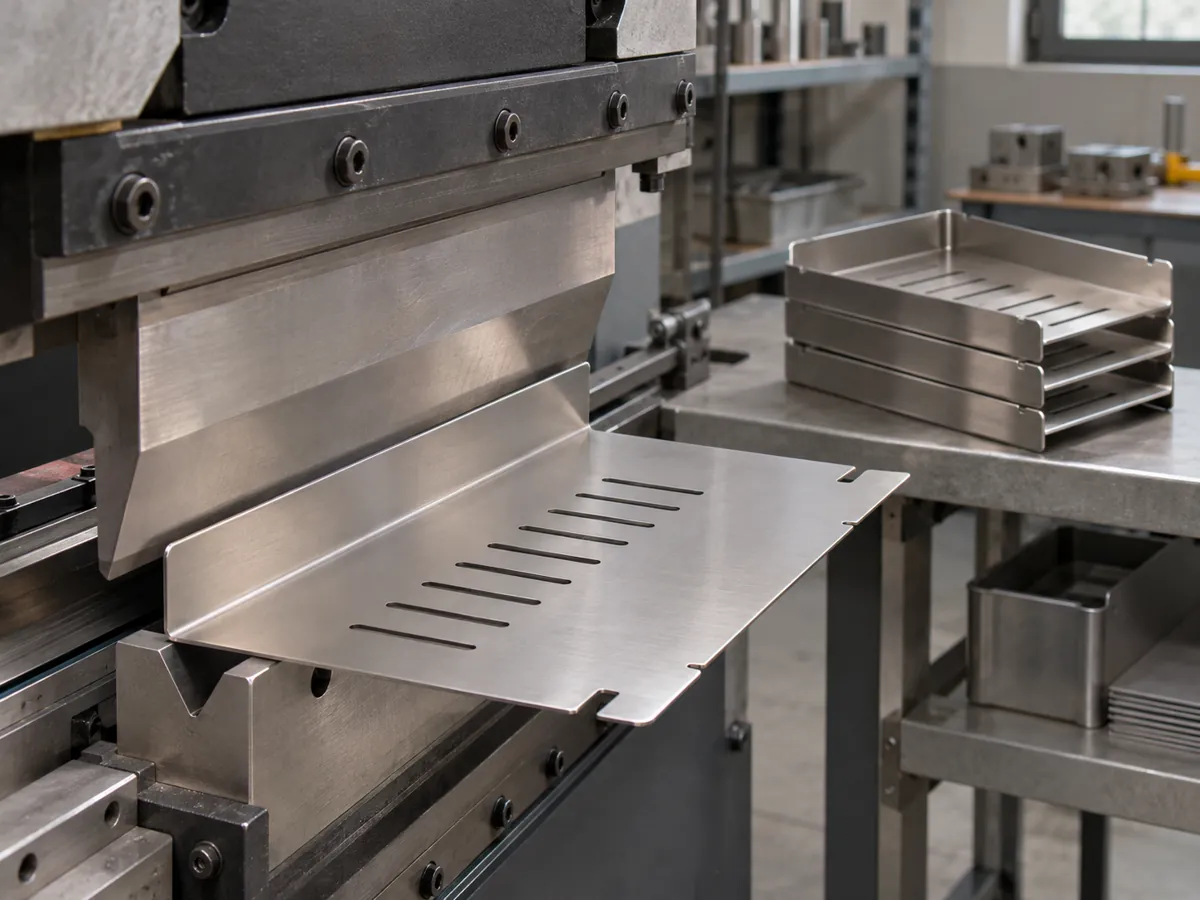
Cutting & Stamping
Metal blanks are cut and formed for the specified part geometry. First-article checks establish a reference before further processing.
 AI concept
02
Milling & Engraving
Machined features are used where the drawing calls for slots or shaped details. Dimensions are checked against the part requirement.
 AI concept
03
Welding & Frame Assembly
Frame parts are joined and assembled. Welds and alignment are checked before the next stage.
 AI concept
04
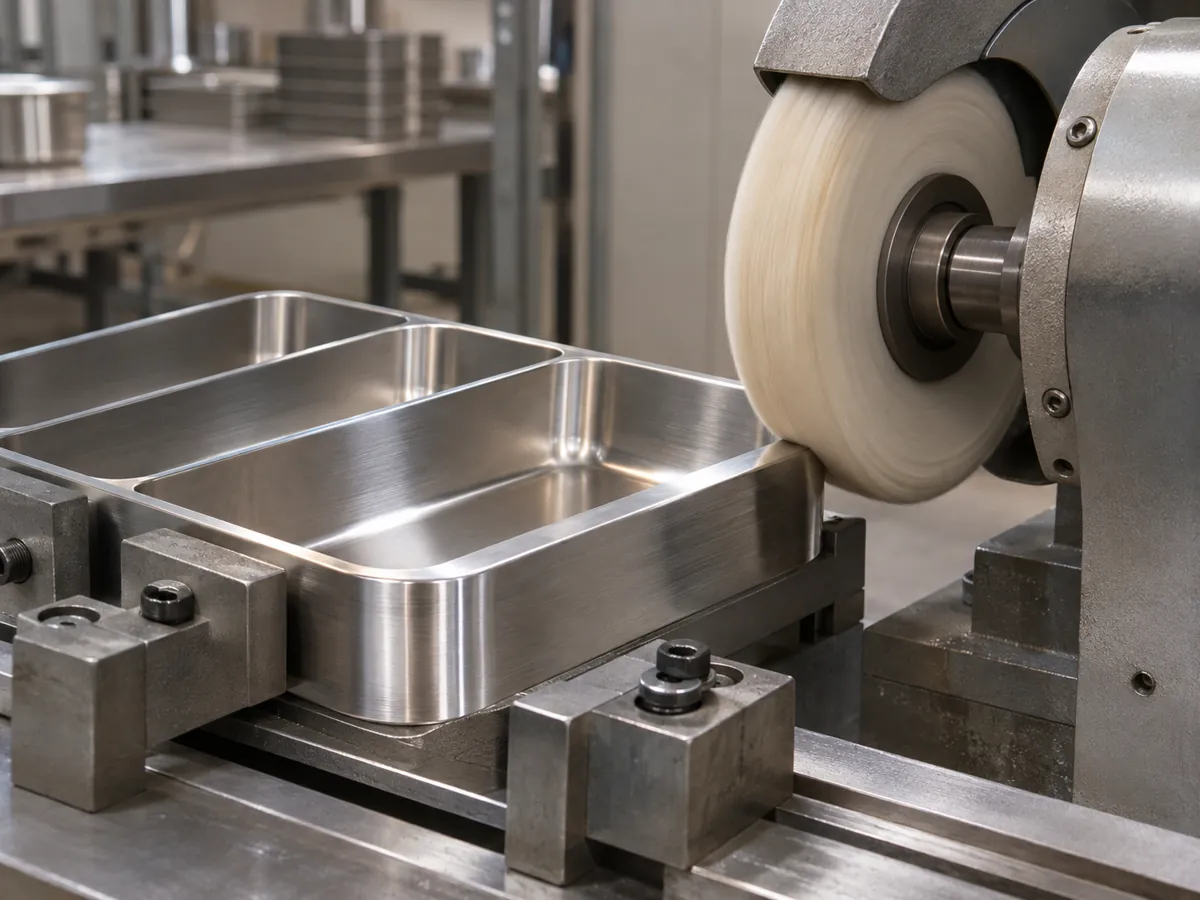
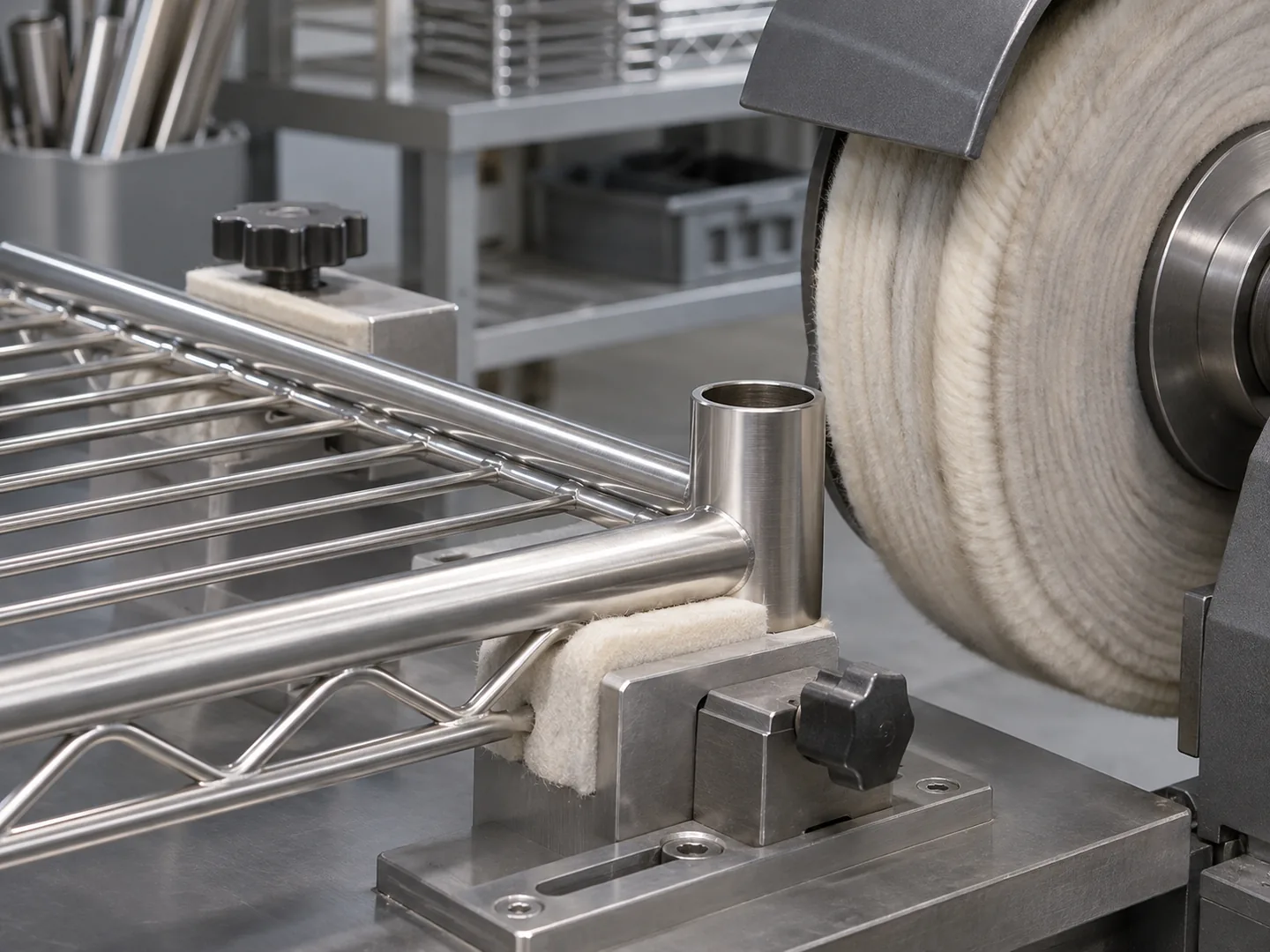
Grinding & Polishing
Edges and visible surfaces are finished for the selected product. Appearance checks form part of the review.
 AI concept
05
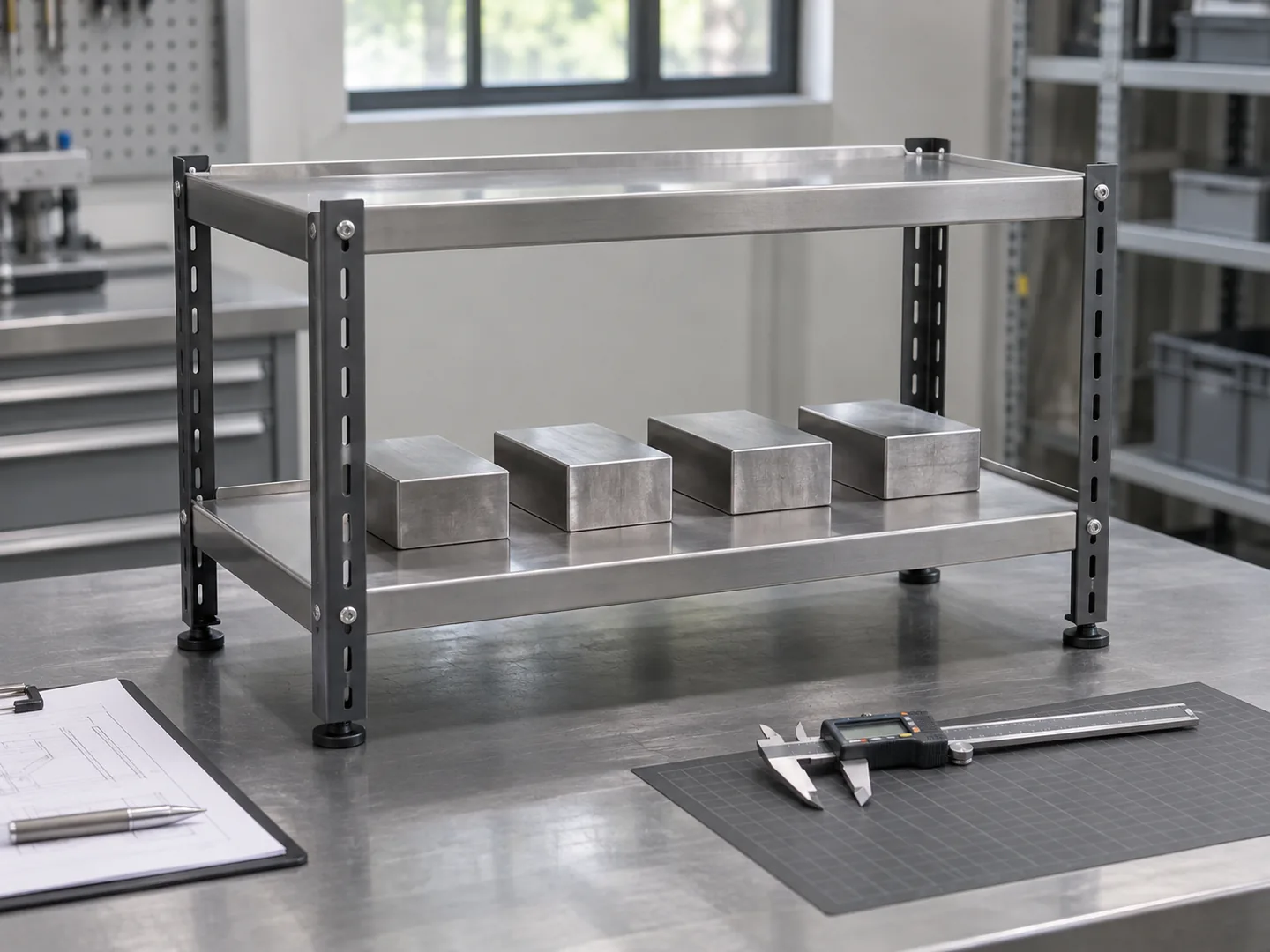
Surface & Load Review
Surface treatment and any required load-bearing checks are reviewed for the design. Applicable checks depend on the material, finish and assembled configuration.
 AI concept
06
Final Assembly & Packing
Parts and accessories are brought together for final sampling and packing against the agreed item specification.
Process & Equipment Review
Production Processes to Review With Suppliers
Review the material, critical part dimensions, frame joints, finish reference and packing scope together. Use the selected product specification to identify which production stages matter to your order.
AI concept01
Cutting & Forming
Review the material, part geometry and critical dimensions needed for the design. Use the part drawing to define formed sections and fit requirements.
AI concept02
Machining & Detail Features
Where the drawing calls for grooves or other machined features, review their position and dimensions against the intended fit. The required features determine the relevant process discussion.
AI concept03
Joining & Frame Assembly
Review how the parts connect, the alignment of the frame and the assembly requirements of the selected model. Compare joint locations and clearances against the assembled configuration.
AI concept04
Grinding & Surface Finishing
Compare edge treatment and the visible surface with the agreed finish reference. The material and intended appearance guide which finishing stages need to be reviewed.
AI concept05
Load Requirement Review
Assess the required load using the selected model, fixing method and mounting conditions. Match any load value to that configuration and agree the applicable checks before ordering.
AI concept06
Assembly & Packing
Review accessory completeness, the assembled item and the agreed packing arrangement. Unit-box and carton requirements remain specific to the product being ordered.
Bring a model reference or part drawing with the required material, dimensions, installation and finish so the process requirements can be reviewed for the chosen design.
Quality Control
Check the details at each production stage
We coordinate inspection requirements with the selected supplier and any appointed inspection provider. Agree the sample, dimensions, appearance, function and packing checks before ordering.
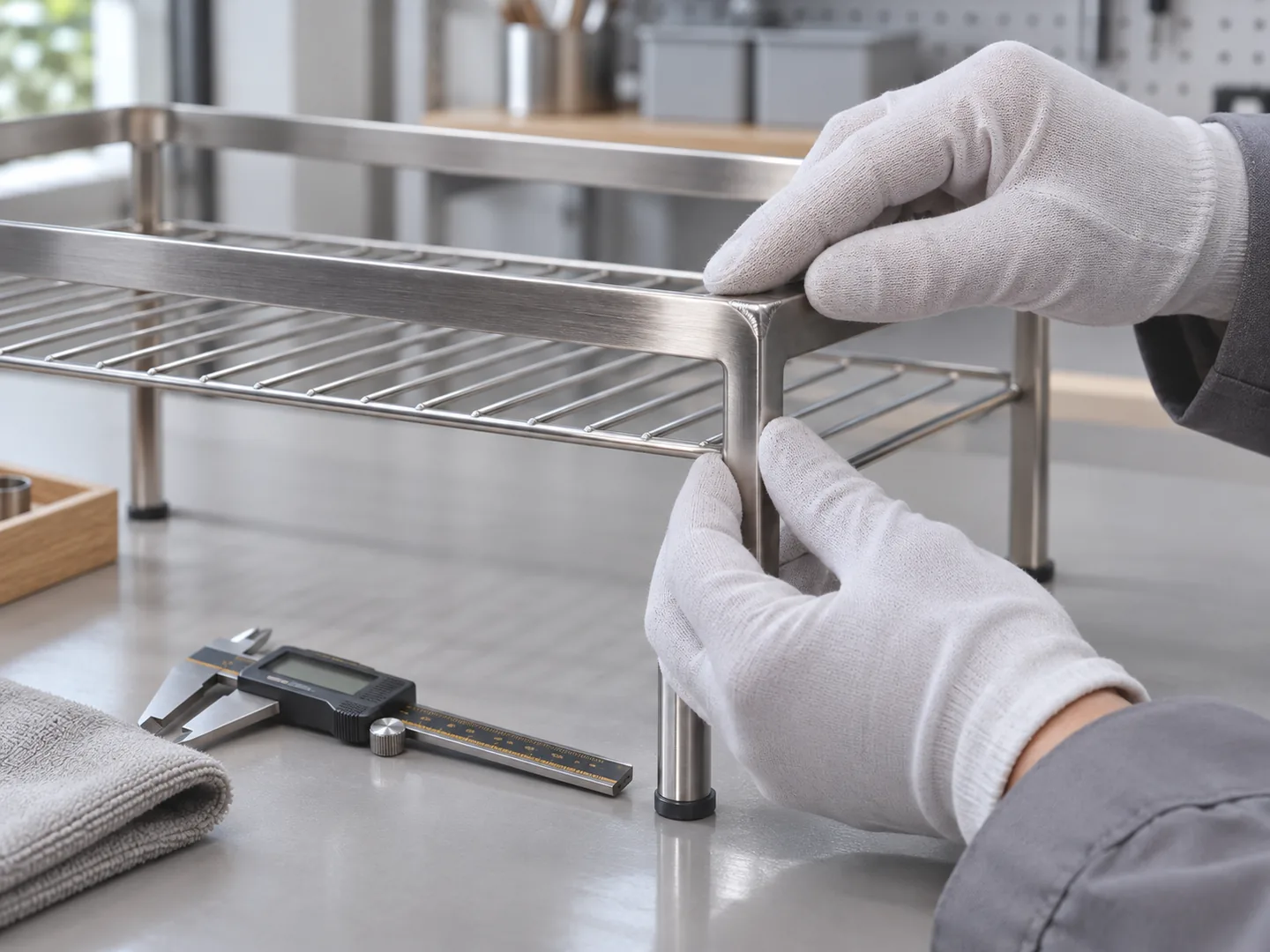 AI concept
01
Material & Dimensions
Review the specified material, part dimensions and first-article reference for the selected product.
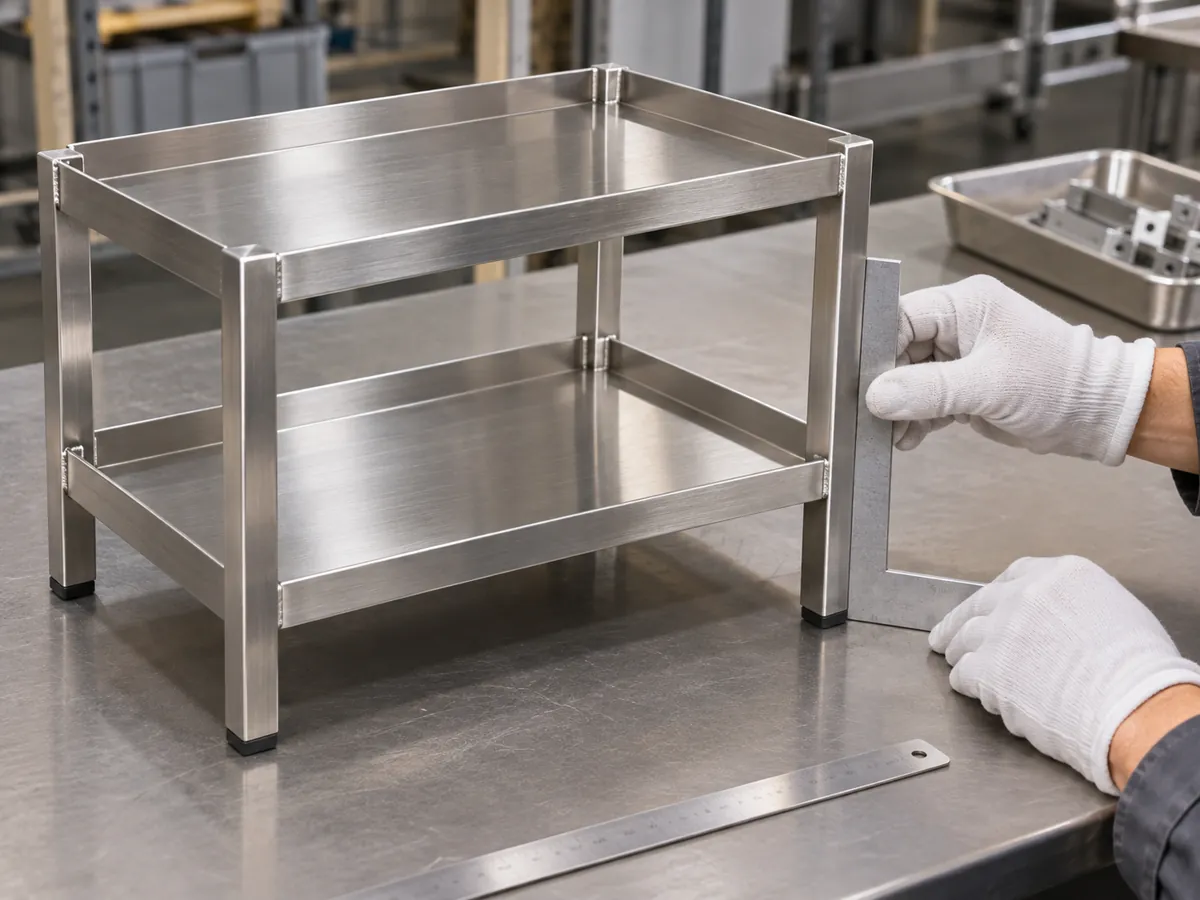 AI concept
02
Assembly & Appearance
Check frame alignment, joints and visible finish against the agreed product reference.
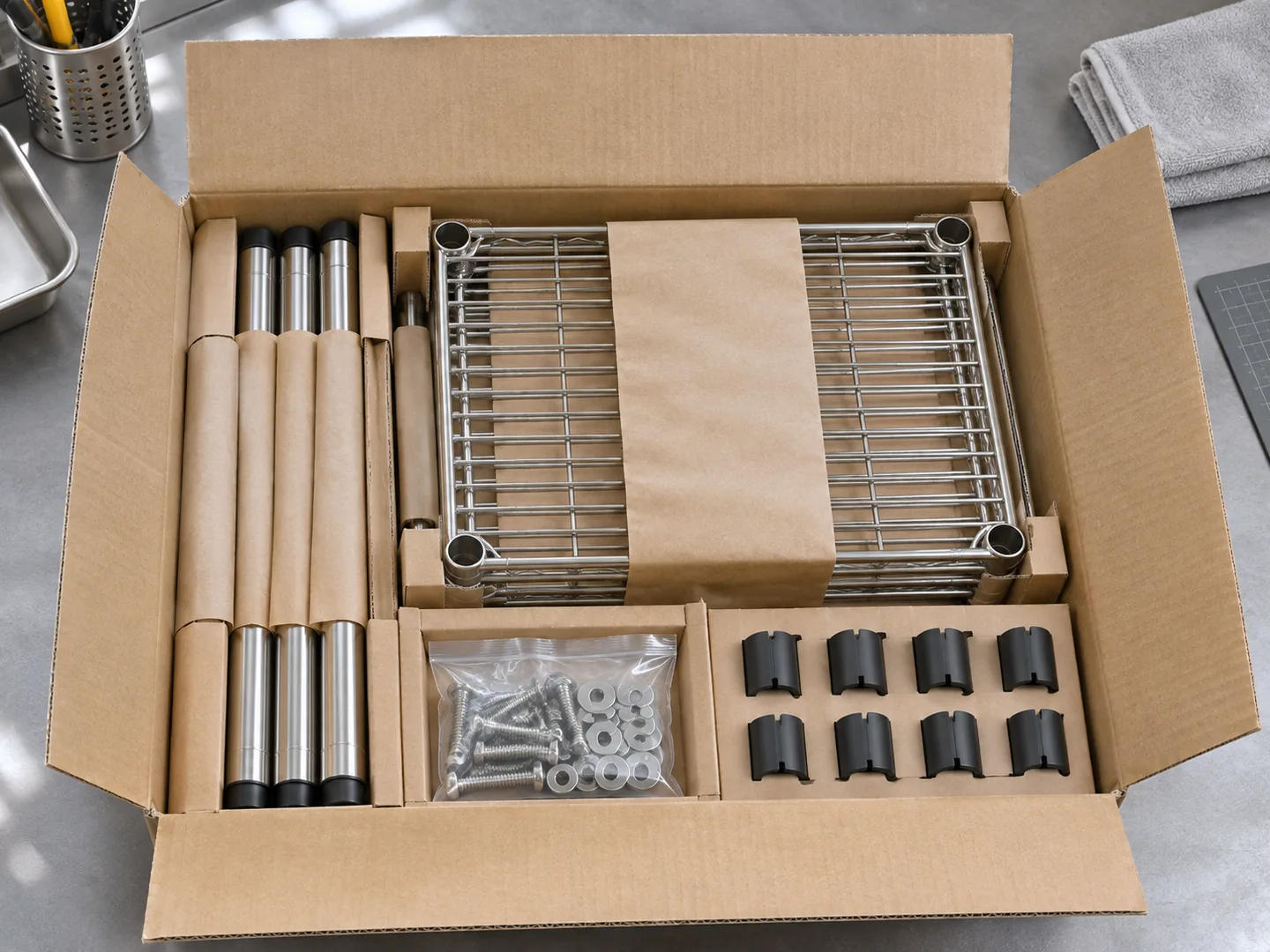 AI concept
03
Finished Product & Pack
Review the assembled item, accessory set and packaging before dispatch. Load requirements are assessed by model and installation.
AI process concepts explain the workflow. Request model- and order-relevant evidence when reviewing actual facilities or production checks.
Trading & Sourcing in Guangdong
Look beyond the product photograph
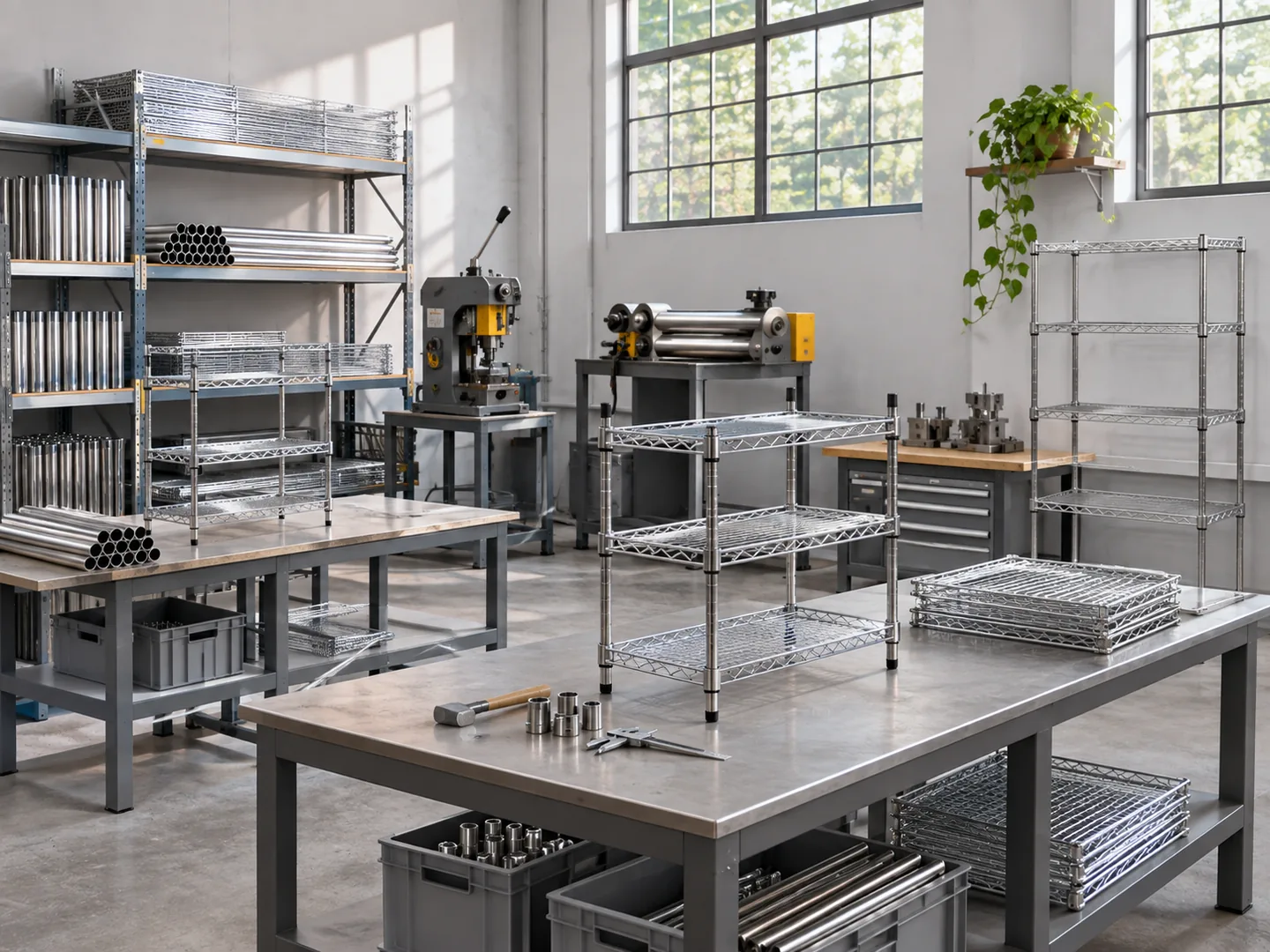
YUNFAN coordinates kitchen and bathroom storage sourcing from Guangdong, China. Review the production supplier, sample, materials, finish and packing against a written brief.
- Supplier communication and product matching
- Samples, packing and inspection arrangements
- Written specifications and order follow-up
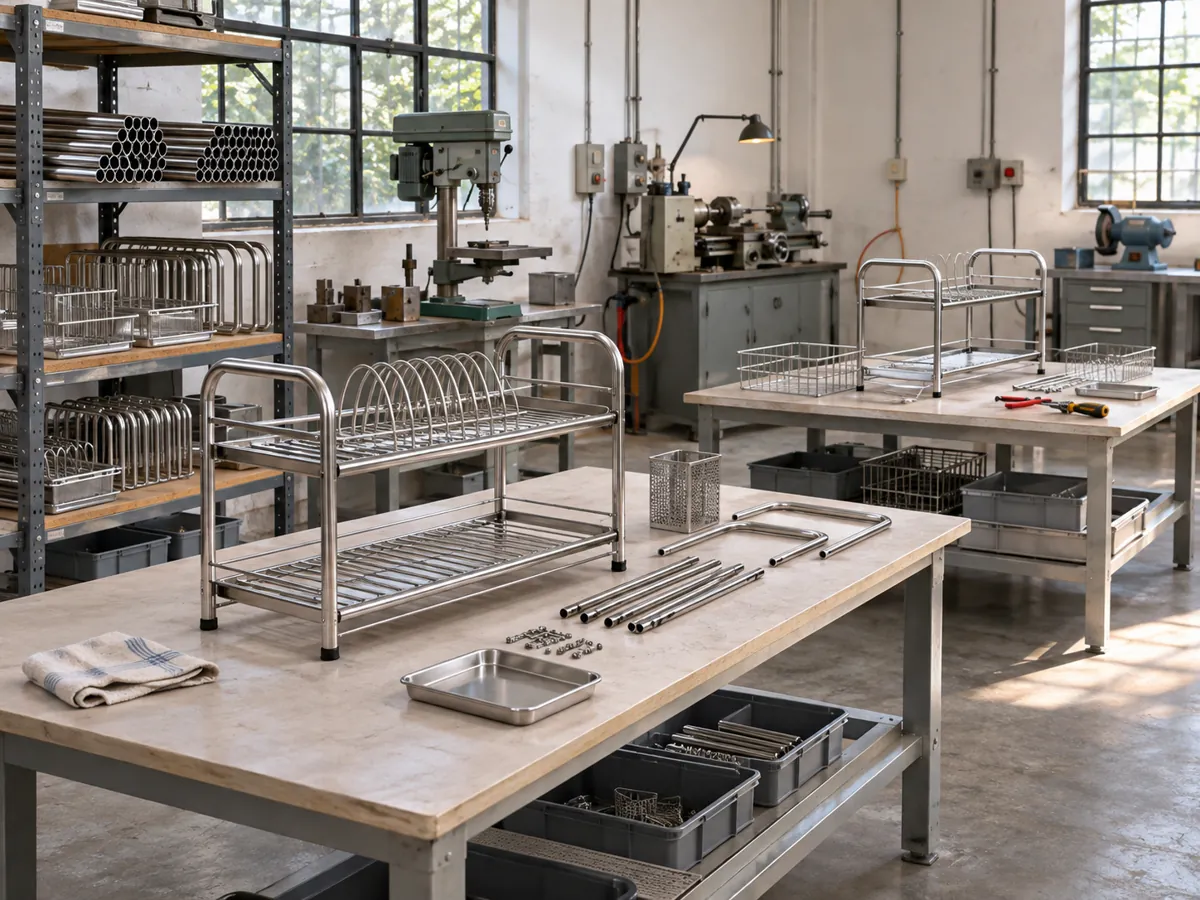 AI concept illustration
 AI concept
 AI conceptAI concept
 AI concept
 AI concept
 AI concept
Product & Quality Documents
Review the documents for your selected model
Tell us which standard or document your market requires. Our team will confirm what can be supported for the selected item and order.
Product specification
Dimensions, materials, configuration and supplied components.
Confirm availability and scope for the selected model.Material documentation
The material identity and scope relevant to the chosen model.
Confirm availability and scope for the selected model.Inspection record
The checks, conditions and acceptance criteria agreed for the order.
Confirm availability and scope for the selected model.Market requirements
The document request for the destination and intended use.
Confirm availability and scope for the selected model.Additional documents
Other product or shipment information to confirm for the project.
Confirm availability and scope for the selected model.Document availability and scope are confirmed for the selected item and destination market.
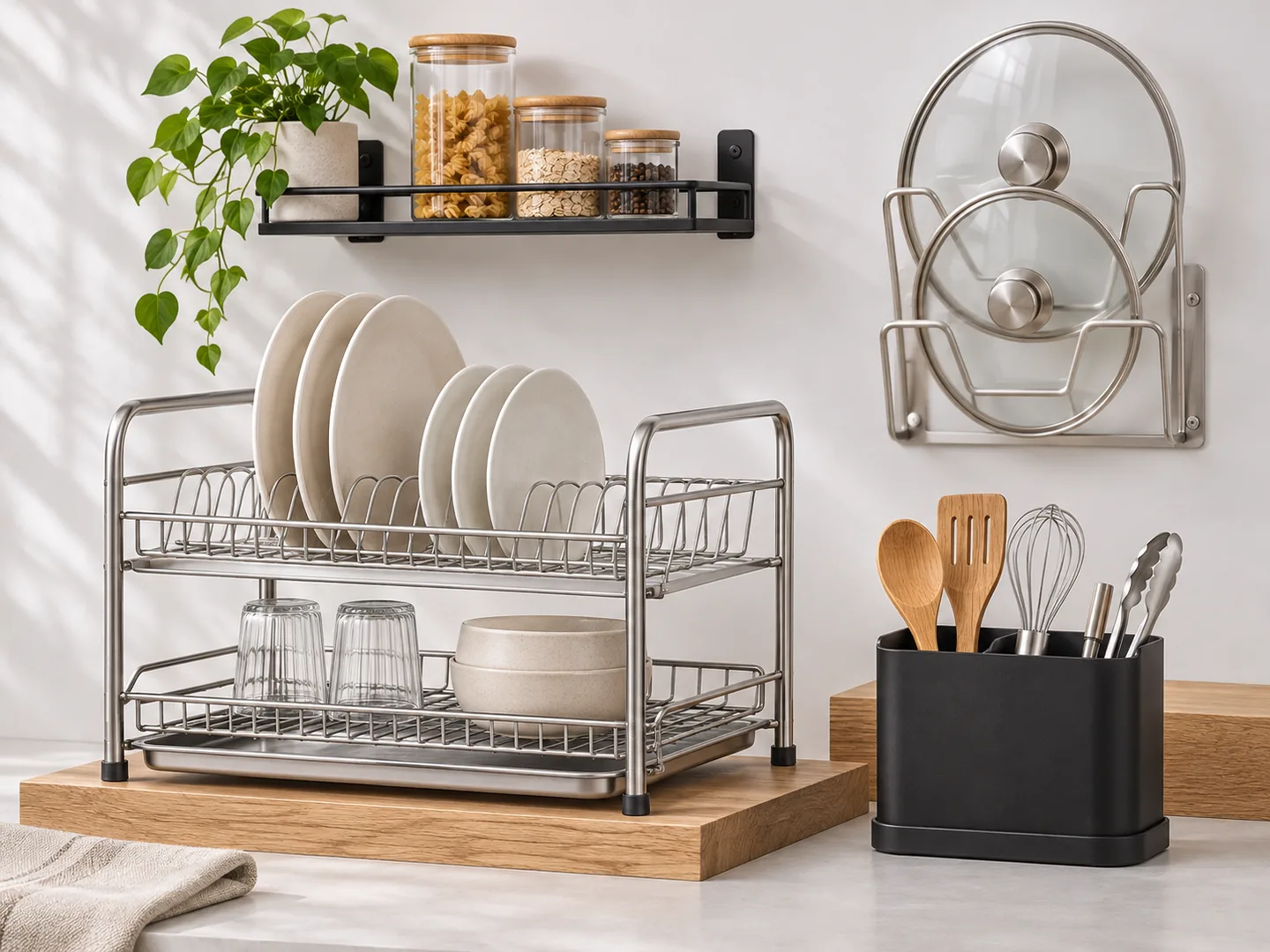
Illustrative sample and discussion concepts; these images are not records of a particular visit or trade event.
Product Presentation
Storage Range & Sample Review
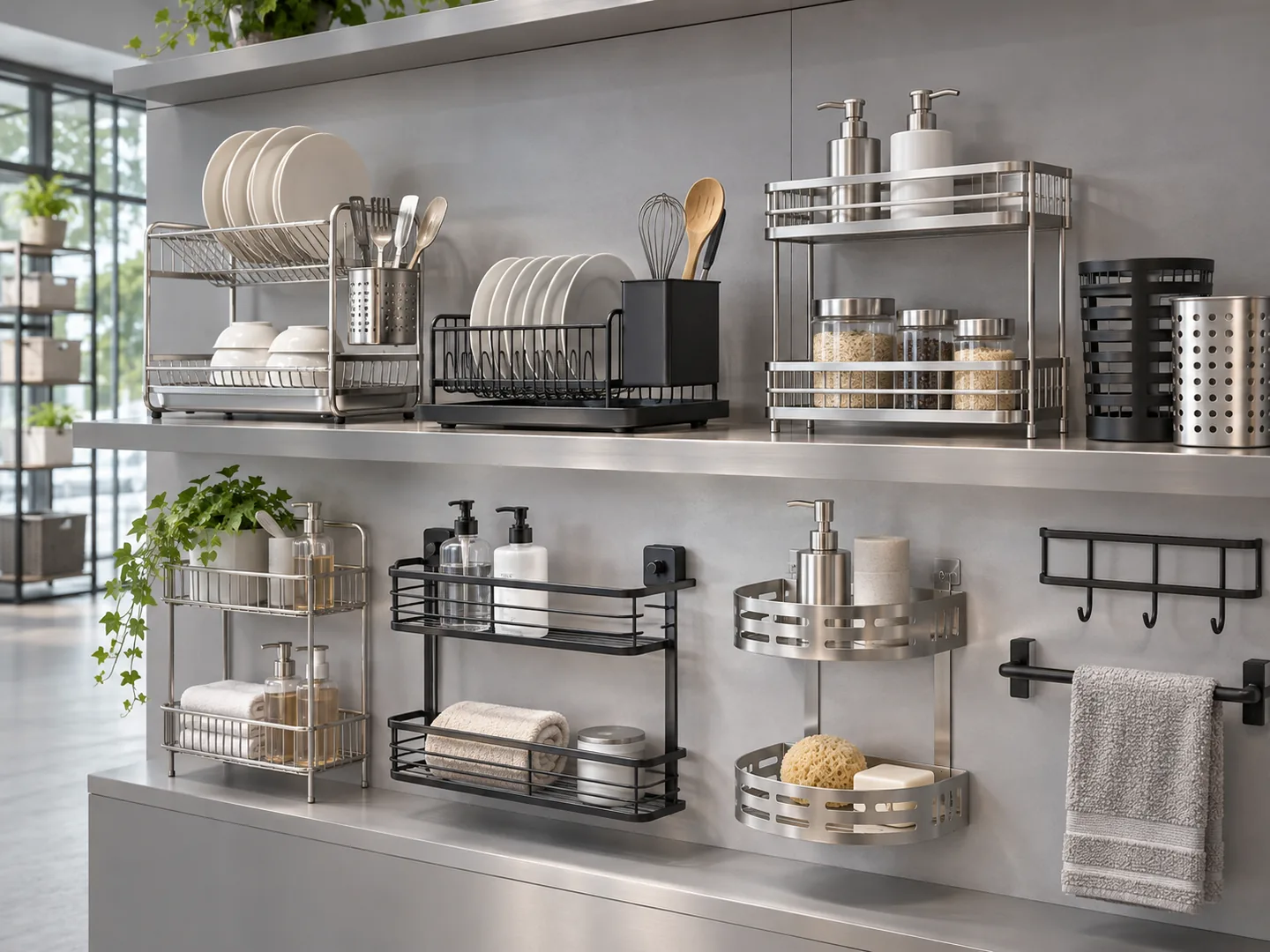
Review the product, surface and packaging together when discussing a new storage range.
AI concept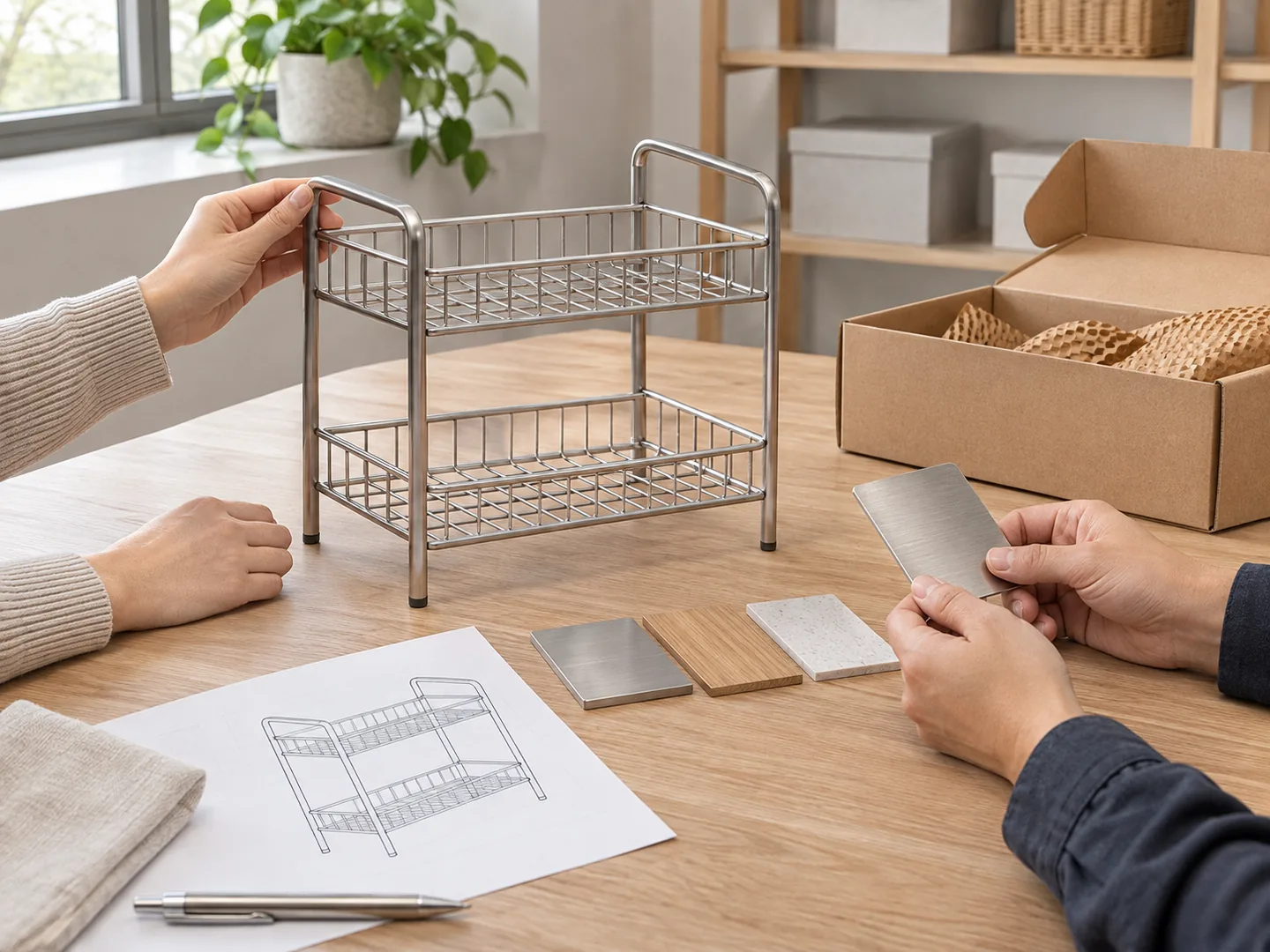 AI concept
 AI conceptAI concept
Packing & Delivery Planning
Plan around the packed specification
A rack's assembled dimensions and packed dimensions answer different questions. Review both before planning the order.
AI concept01
Item Packing
Choose the color box or kraft box direction and review how the product and its accessories fit inside.
AI concept02
Carton Planning
Carton quantities vary by model. Use the confirmed packing list for the item mix rather than applying one carton quantity to the whole range.
 AI concept
03
Order Schedule
Raw material purchase takes about 10 days; production lead time is confirmed per order after the quantity and specification are agreed.
From shortlist to goods receipt
Cup & Mug Holders Procurement Guide
Move from the intended use to a written model, sample, inspection and packing brief. Resolve the open points before treating two quotations as equivalent.
Measurements to put in the brief
- Largest cup body and handle
- Hook diameter and spacing
- Usable shelf or base footprint
- Clearance below hanging cups
- Mounting or under-shelf thickness
Review the actual items, their removal path and the complete occupied space. Confirm the selected model rather than applying one dimension to a category.
Fit the handles to the hooks
Compare the smallest handle opening and the hook profile. Check that cups can be placed and removed without forcing the handle around the hook.
Separate neighbouring cups
Review body diameter and cup height as well as hook spacing. The intended cup mix should hang without striking adjacent cups or the work surface.
Check the base or shelf mounting
For a countertop tree, review balance with the intended cup arrangement. For an under-shelf holder, measure the shelf thickness and check the attachment.
Leave a practical removal path
Check cupboard doors, nearby shelves and the clearance needed to lift a handle off the hook. The installed position matters as much as hook count.
Agree finish and contact details
Review hook tips and the surfaces that contact cup handles. Use the selected material and finish reference rather than inferring grade from a shiny appearance.
Protect protruding hooks
Review the unit-box insert and how the holder is restrained. Confirm whether hooks, mounting parts or the base are packed separately.
Record material, finish and component scope
Use the exact material description for the chosen components and the documented grade where relevant. Record finish, color and texture against a sample. Identify brackets, trays, holders, inserts and fixings separately when they affect the supplied item.
Approve a sample and control revisions
Identify the sample, drawing revision and component list being approved. Record the size, installed arrangement, appearance and accessory scope. Keep proposed changes and the final sign-off together so that the bulk specification is clear.
Agree a practical inspection plan
List the dimensions, assembly, appearance, moving-part and packing checks relevant to the selected design. Agree the sampling and acceptance approach. Any load or other performance requirement needs defined conditions and a result applicable to the chosen configuration.
Approve the saleable pack and artwork
Confirm the unit contents, protective insert, color or kraft box direction and assembly or mounting instructions. Check the artwork revision, barcode position and carton marks. Keep brand authorization and the approved artwork with the packing brief.
Compare quotations on a common basis
Record model, material, finish, included components, quantity per SKU, sample or tooling scope, unit and carton packing and delivery destination. Ask for assumptions, exclusions, quotation validity and the applicable commercial terms to be identified. Confirm MOQ and timing for the actual project.
Plan shipment using packed measurements
Use confirmed carton dimensions, gross and net weight and carton quantity for each SKU. Keep assembled size separate from packed size. Prepare the packing list for the actual item mix and review handling, labelling and destination document requirements with the shipment plan.
Keep an order record through receipt
Keep the approved specification, sample reference, artwork, inspection arrangement and change log under one order reference. At receipt, compare item identity, counts, accessories, packaging condition and the agreed checks with the purchase brief, and record any discrepancy promptly.
RFQ checklist for this page
Cup Holders
- Product links or YF references and quantity per model
- Intended storage task, item mix and installation location
- Required dimensions and available clearance
- Component material and documented grade where required
- Finish, color and appearance reference
- Mounting system or base arrangement and any required load review
- Included accessories and assembly or mounting instructions
- Product changes, drawing or sample reference and revision
- Unit-box direction, protective packing, artwork and barcode requirements
- Outer-carton quantity, measurements and weight to confirm
- Destination, delivery point and document requirements
- Target schedule, open questions and the decisions already fixed
Build Your Product Range
Explore More Storage Categories
Choose a category to browse its models and specifications.
 AI concept illustration
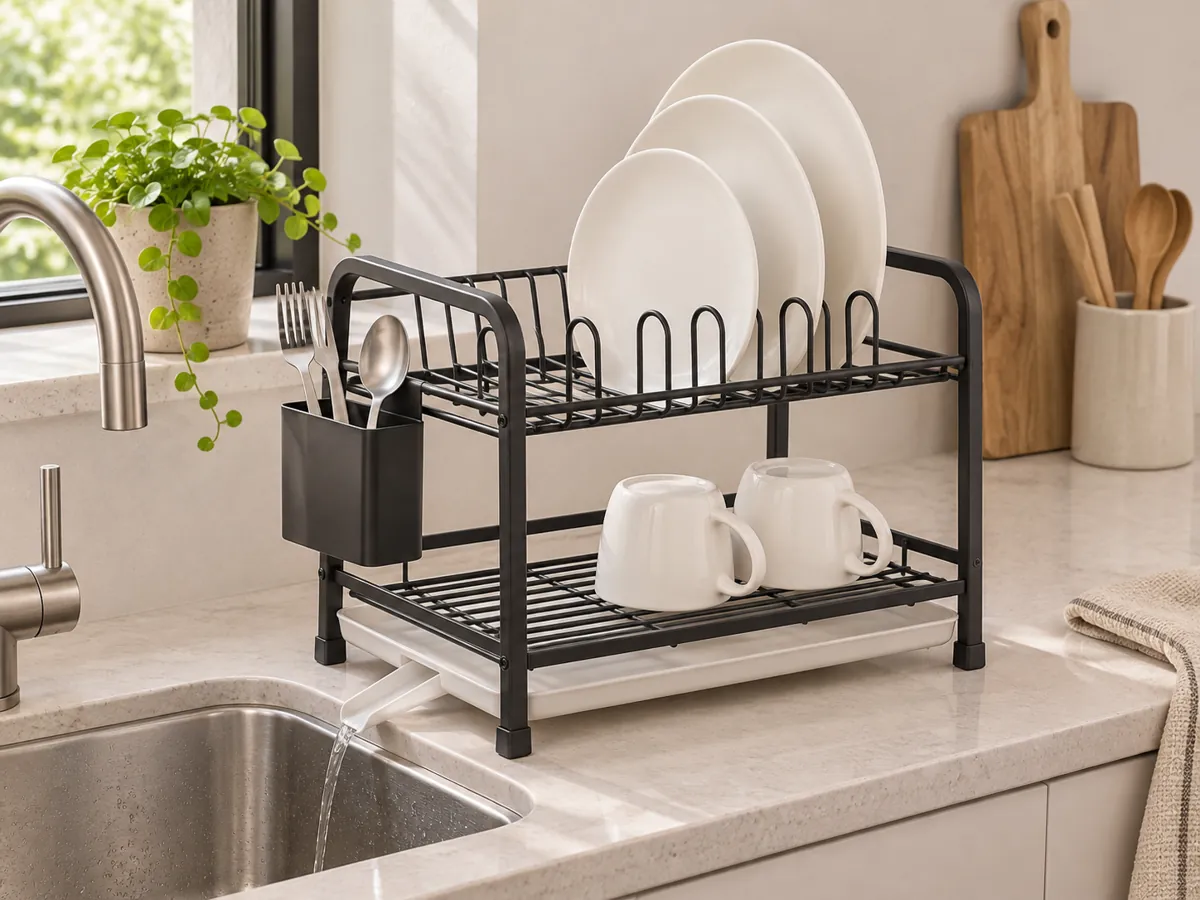
Dish Racks & Drainers
Browse category → AI concept illustration
Storage Racks & Shelves
Browse category →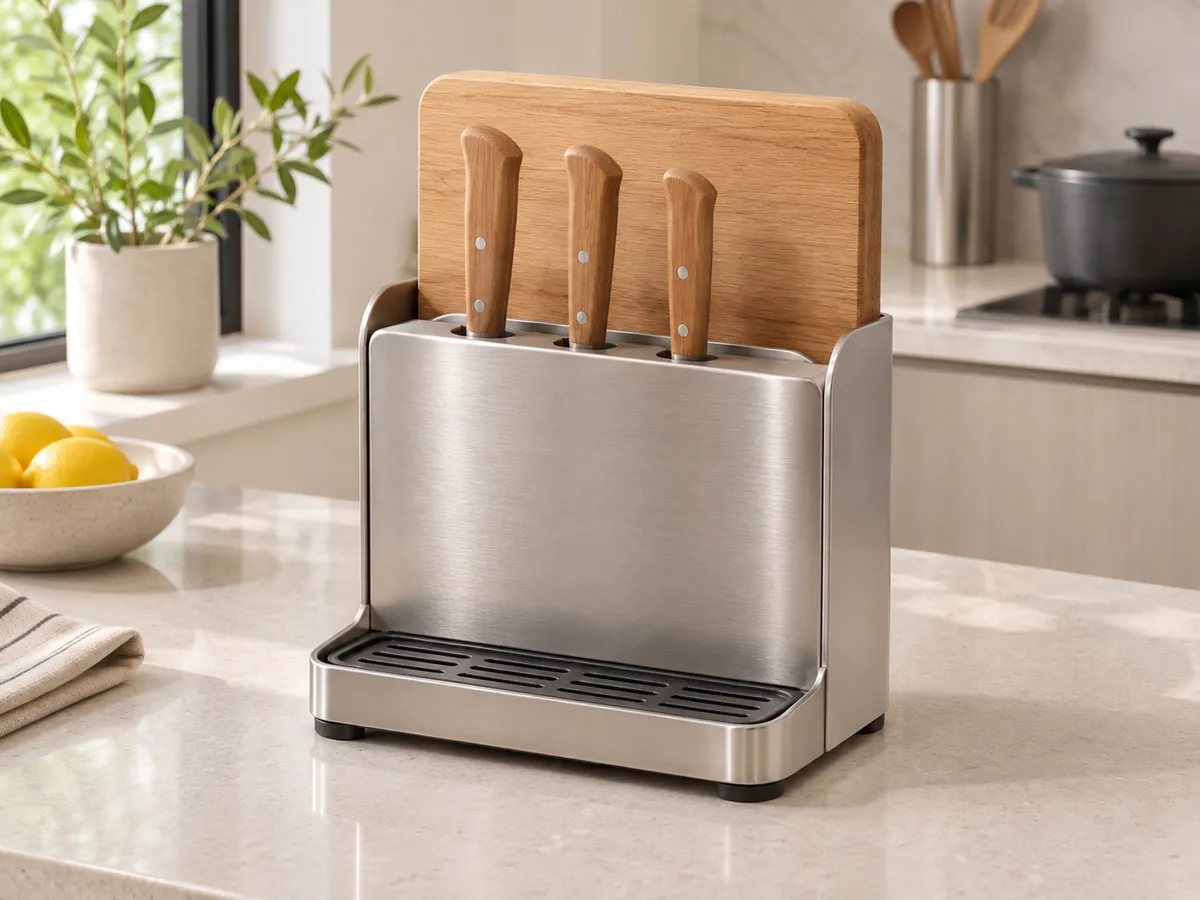 AI concept illustration
Knife Holders & Racks
Browse category → AI concept illustration
Towel Racks & Holders
Browse category → AI concept illustration
Cutting Board & Pot Lid Racks
Browse category →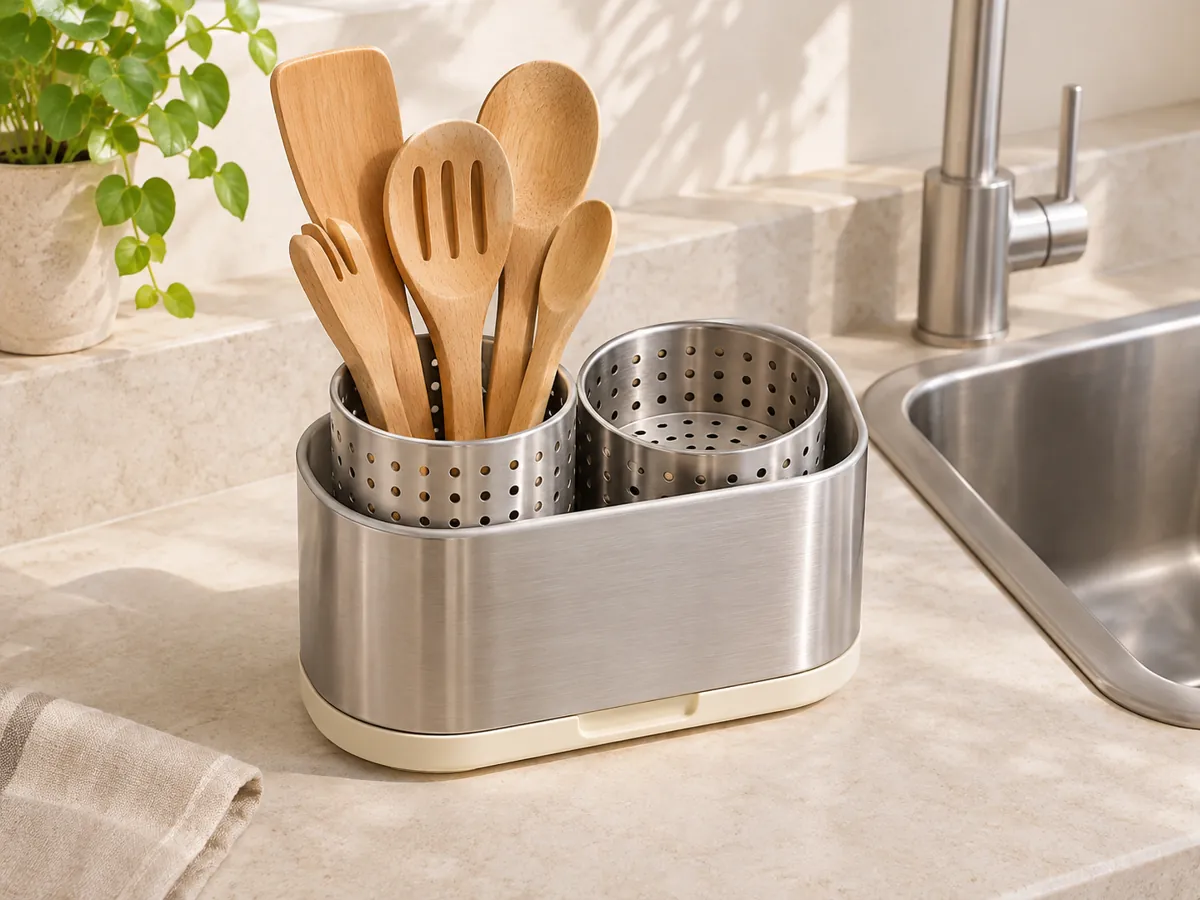 AI concept illustration
Utensil & Chopstick Holders
Browse category →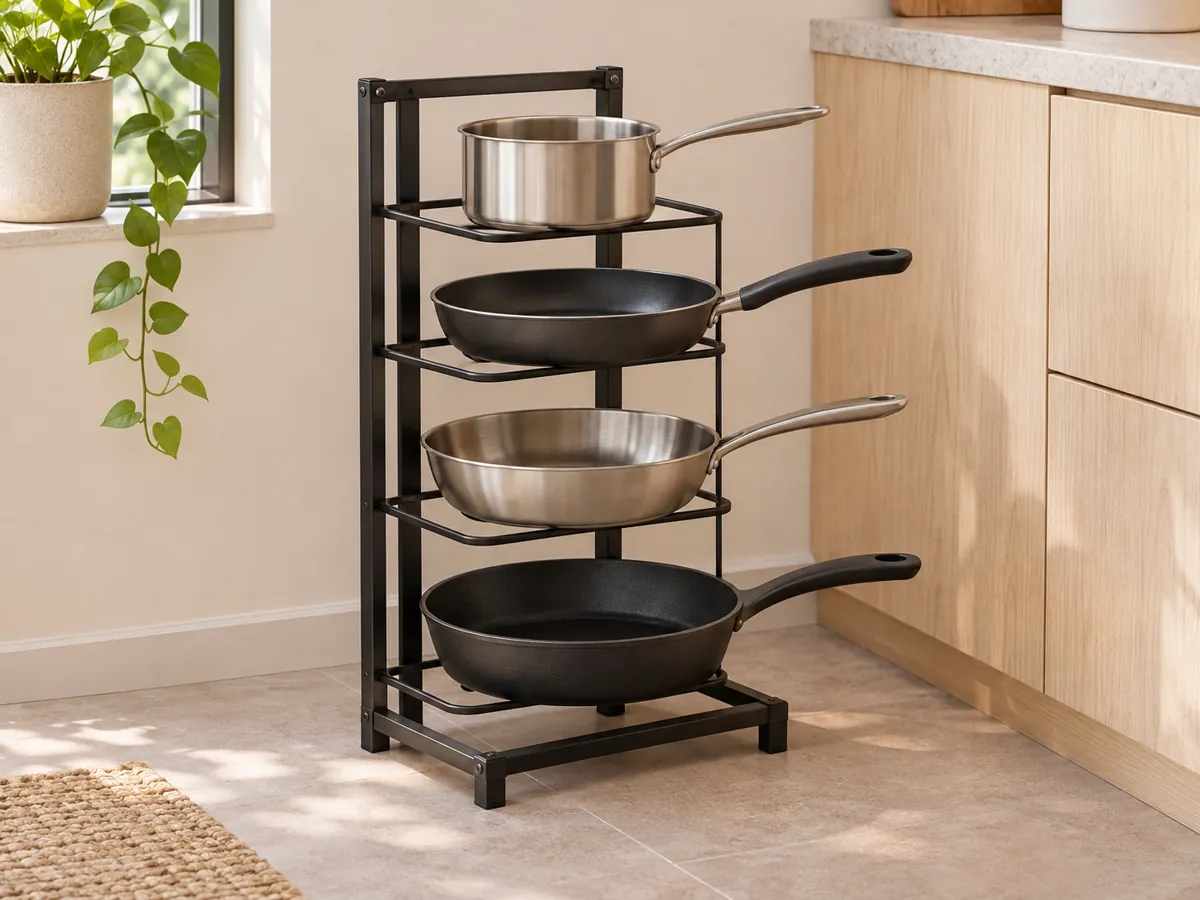 AI concept illustration
Pot Racks & Trivets
Browse category → AI concept illustration
Steamer Racks
Browse category → AI concept illustration
Bathroom Shelves & Shower Caddies
Browse category →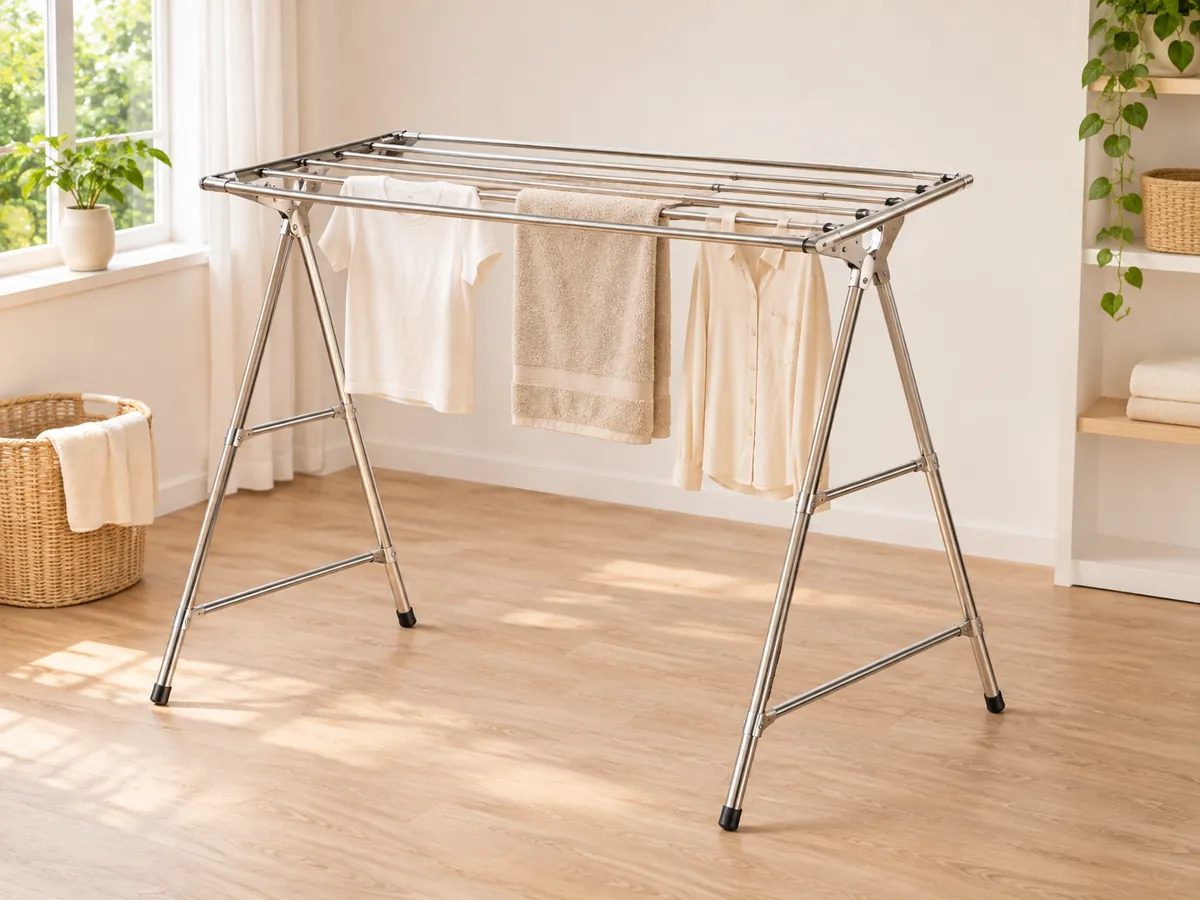 AI concept illustration
Clothes Drying Racks
Browse category →
Cup & Mug Holders
Browse category →Buyer questions
Cup Holders — sourcing questions
Use the selected reference and the intended configuration to close the open points in your brief.
Will a six-hook holder fit any six mugs?
Check cup diameter, handle opening and the clearance between hooks. The actual mug mix, rather than hook count alone, establishes the usable arrangement.
How do I compare a mug tree with an under-shelf holder?
Compare counter footprint and balance against shelf attachment, hanging clearance and removal access. Review the dimensions of the intended mugs in both arrangements.
What is easy to miss on a cup-holder sample?
Handle fit, contact at hook tips and whether the lowest cups clear the base or counter. Review a mixed arrangement if the range will hold different mug shapes.
Are display cups part of the product?
Use the packing list to establish the saleable unit. Cups shown in an application illustration are not assumed to be included.
How should material be specified for Cup & Mug Holders?
Use the actual model material and the exact grade where documented. Identify mixed-material components separately and agree the finish reference. A photograph or category label does not establish a grade.
What load information should I request for Cup & Mug Holders?
Define the intended cup weights, the arrangement of occupied hooks and the selected base or mounting assembly. Ask for any applicable check against that model and installation rather than one load value for the entire range.
Which packing details matter for Cup & Mug Holders?
Confirm the base or mounting assembly, hook protection and the supplied fixing components; display cups are not assumed to be included. Compare the saleable unit, accessory count, unit box, protective inserts, carton quantity, packed dimensions and weights.
Can Cup & Mug Holders be reviewed for private label?
Send the chosen models, quantity per model and proposed product or packaging changes. Confirm feasibility, sample scope and project terms for that brief.
What should I include in a Cup & Mug Holders quotation request?
Include model links, largest cup body and handle, hook diameter and spacing, usable shelf or base footprint, clearance below hanging cups, mounting or under-shelf thickness, intended use and installation, material and finish, quantity per model, destination, packing direction and the schedule to review.
Turn your shortlist into a clear product brief
Send the models or references you are considering. We will discuss the specification, customization and packing needed to prepare your quotation.
Start the Conversation
Tell us what you want to source
All fields are optional. Share a WhatsApp number, email or short note, and add product details whenever you are ready.
We review the brief, clarify open questions and agree the next sourcing or sample step. Optional details can follow.
YUNFAN
Shantou, Guangdong, China